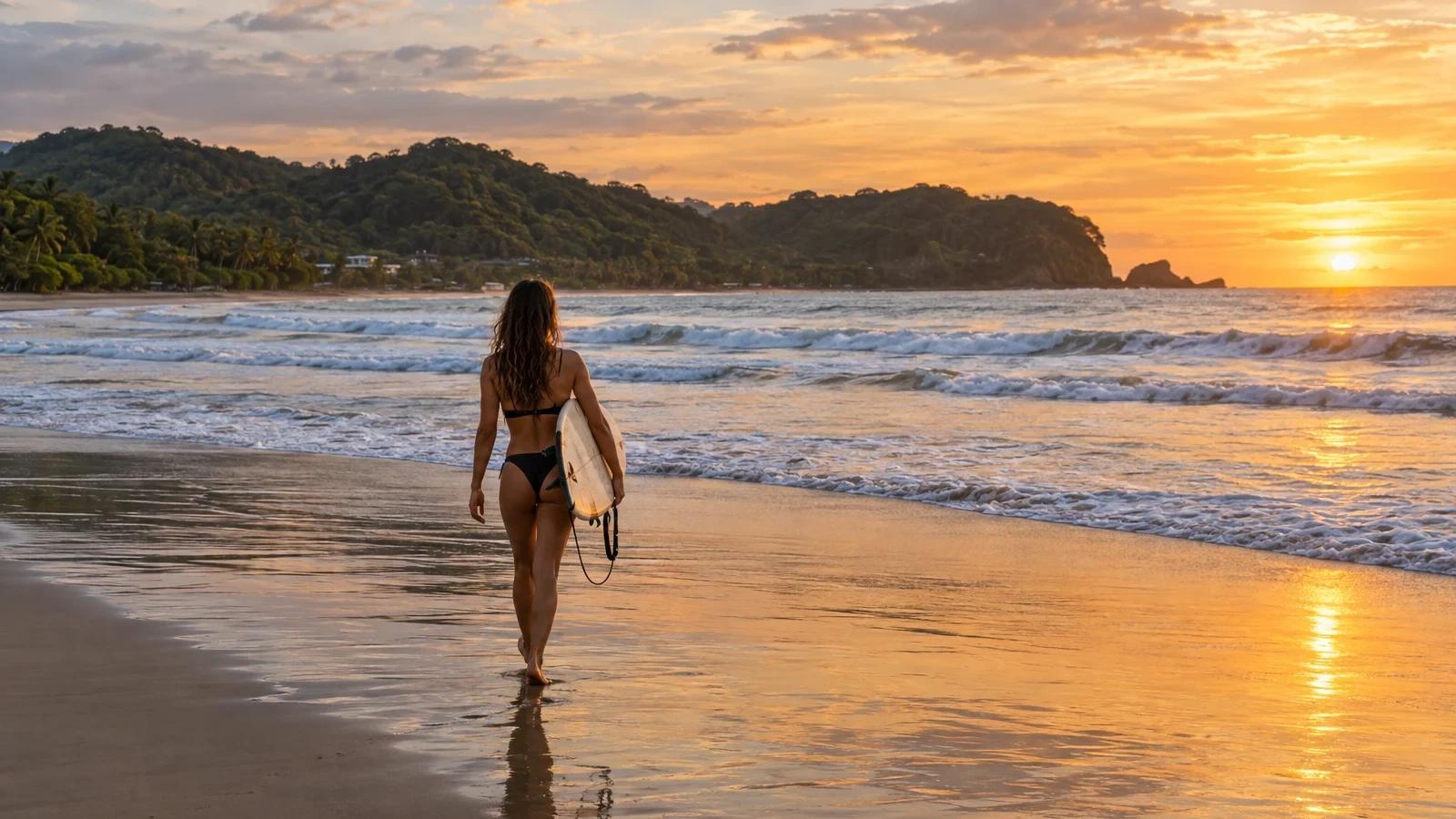


The Central Pacific, between jungle and spectacular beaches.
From Jacó to Quepos and Manuel Antonio, the Central Pacific combines coastal resorts, rainforests and vegetation-fringed beaches. The region appeals to nature lovers and travelers who want to alternate excursions with time to relax by the ocean.
Why visit the Central Pacific?
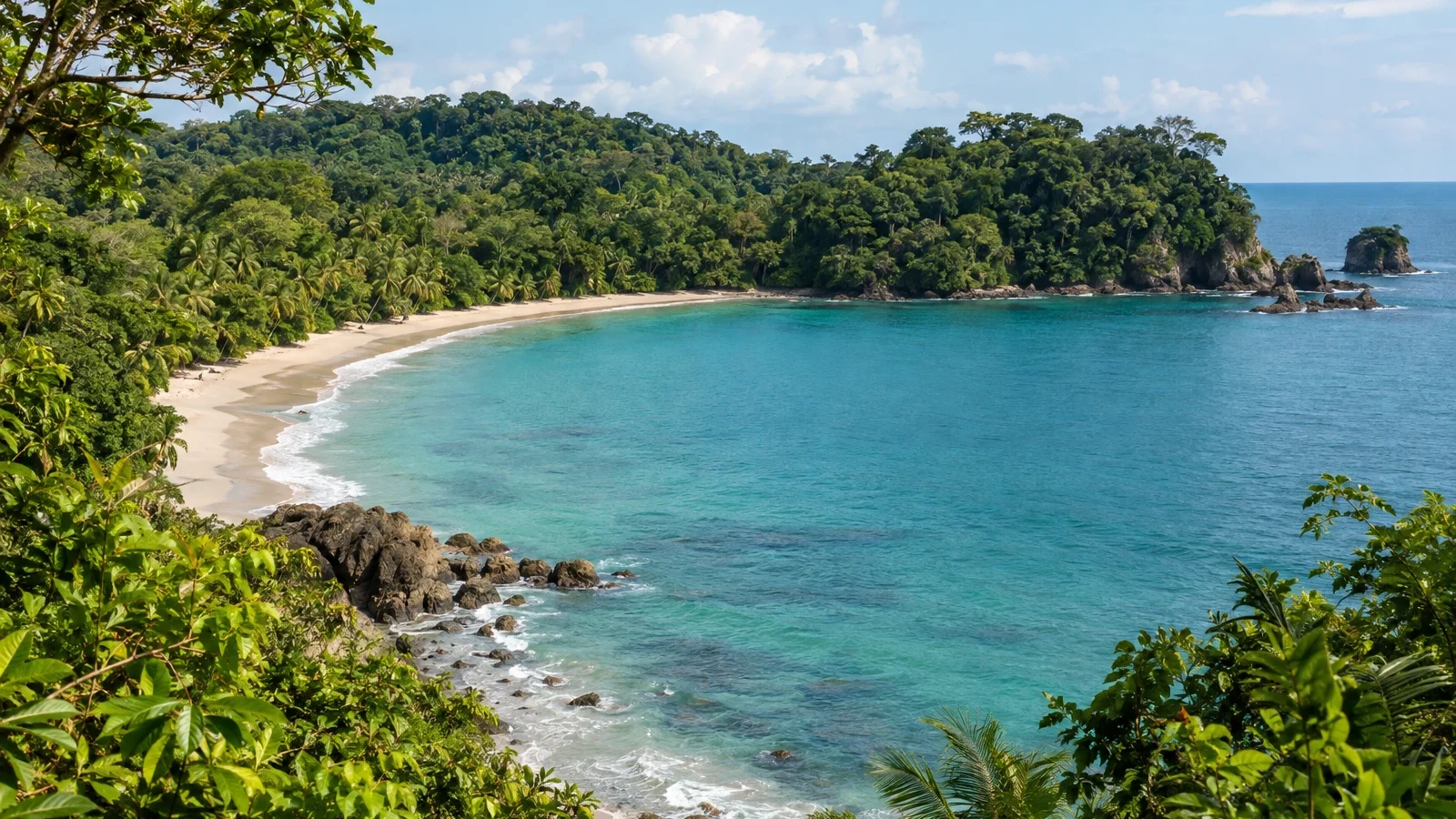
The Central Pacific is home to some of Costa Rica’s best-known coastal scenery. Forest reaches down to the beaches, hills overlook bays, and sunsets give the coast a distinctive atmosphere. Despite its popularity, the region retains areas of unspoiled nature.
Manuel Antonio is often the highlight, thanks to its combination of trails, tropical forest and beaches. It is worth planning your visit: rules, access and visitor numbers vary depending on the dates. A naturalist guide can enrich the experience of observing animals without turning the walk into a race to take photos.
Quepos offers a chance to enjoy the atmosphere of a coastal town, join activities on the water or set out to explore the surrounding area. Farther north, Jacó and Playa Hermosa attract surfers in particular, each with sea conditions that must be respected.
The Central Pacific is well suited to a first introduction to the coast. Distances between the main stops are manageable within the context of a trip, but traffic and excursions take time. It is better to stay in one or two areas than to change beaches every day.
Where is the Central Pacific?
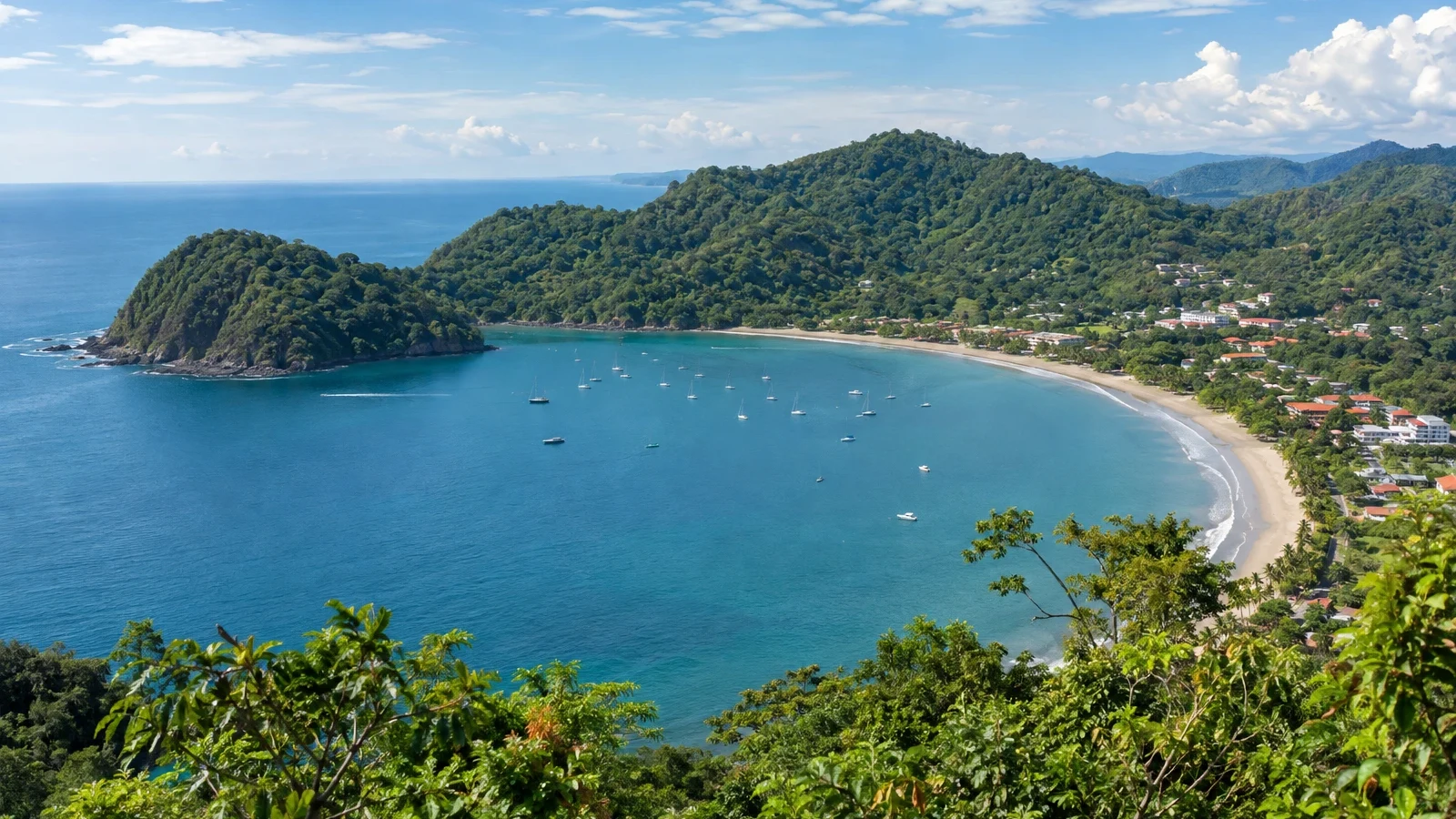
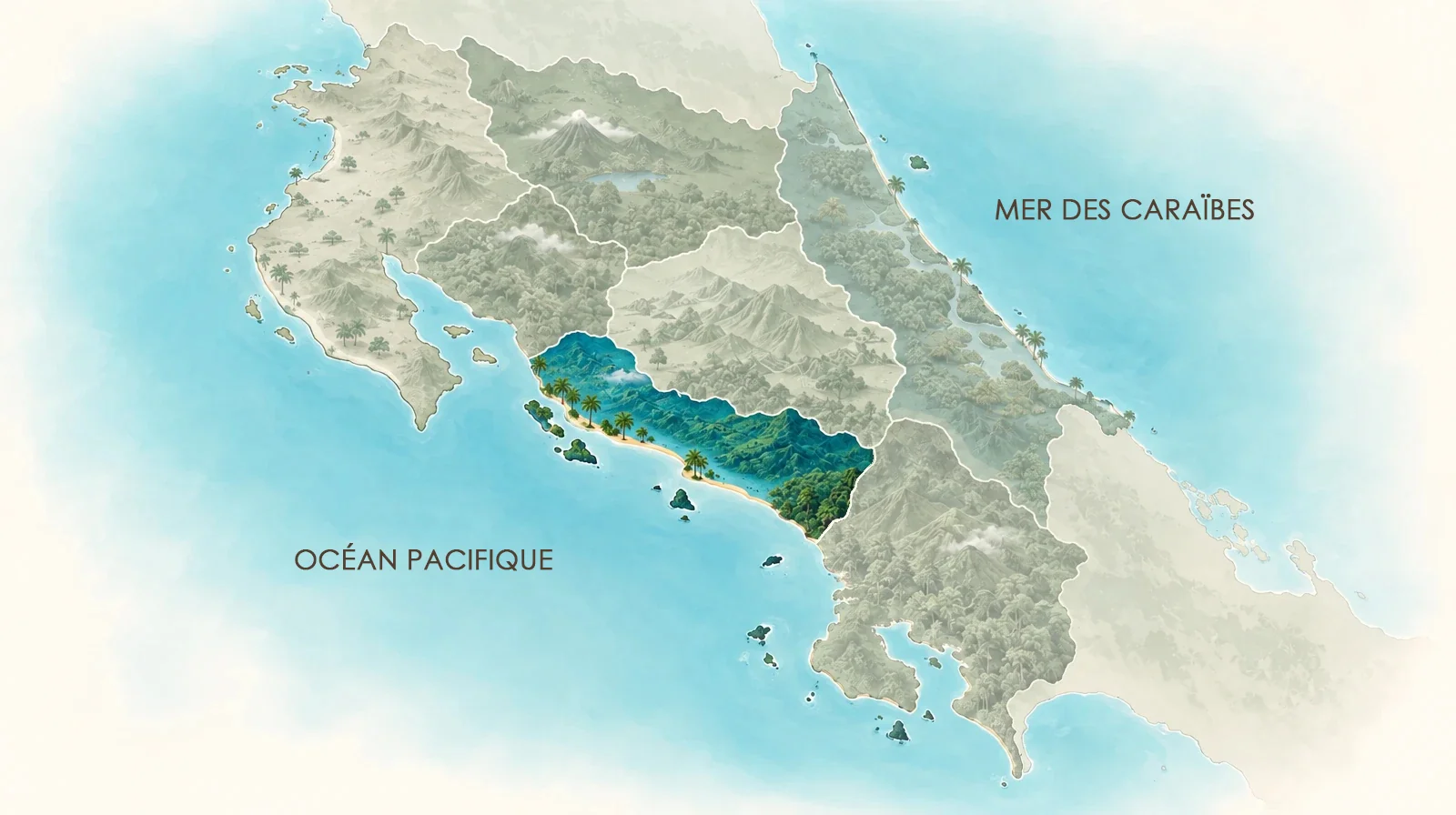
The Central Pacific runs along Costa Rica’s west coast, south of the Gulf of Nicoya and north of the South Pacific landscapes. In our tourism breakdown, it includes Jacó, Playa Hermosa, Quepos and Manuel Antonio, among other places, without encompassing the entire vast province of Puntarenas.
The region can be reached from the Central Valley via the roads that descend toward the coast. Driving times can vary depending on traffic and weather conditions. To enjoy Manuel Antonio and Quepos, choosing accommodations in this area avoids long daily commutes.
Central Pacific highlights
Parks, beaches and coastal villages: the Central Pacific makes it easy to combine nature watching with relaxation by the water.
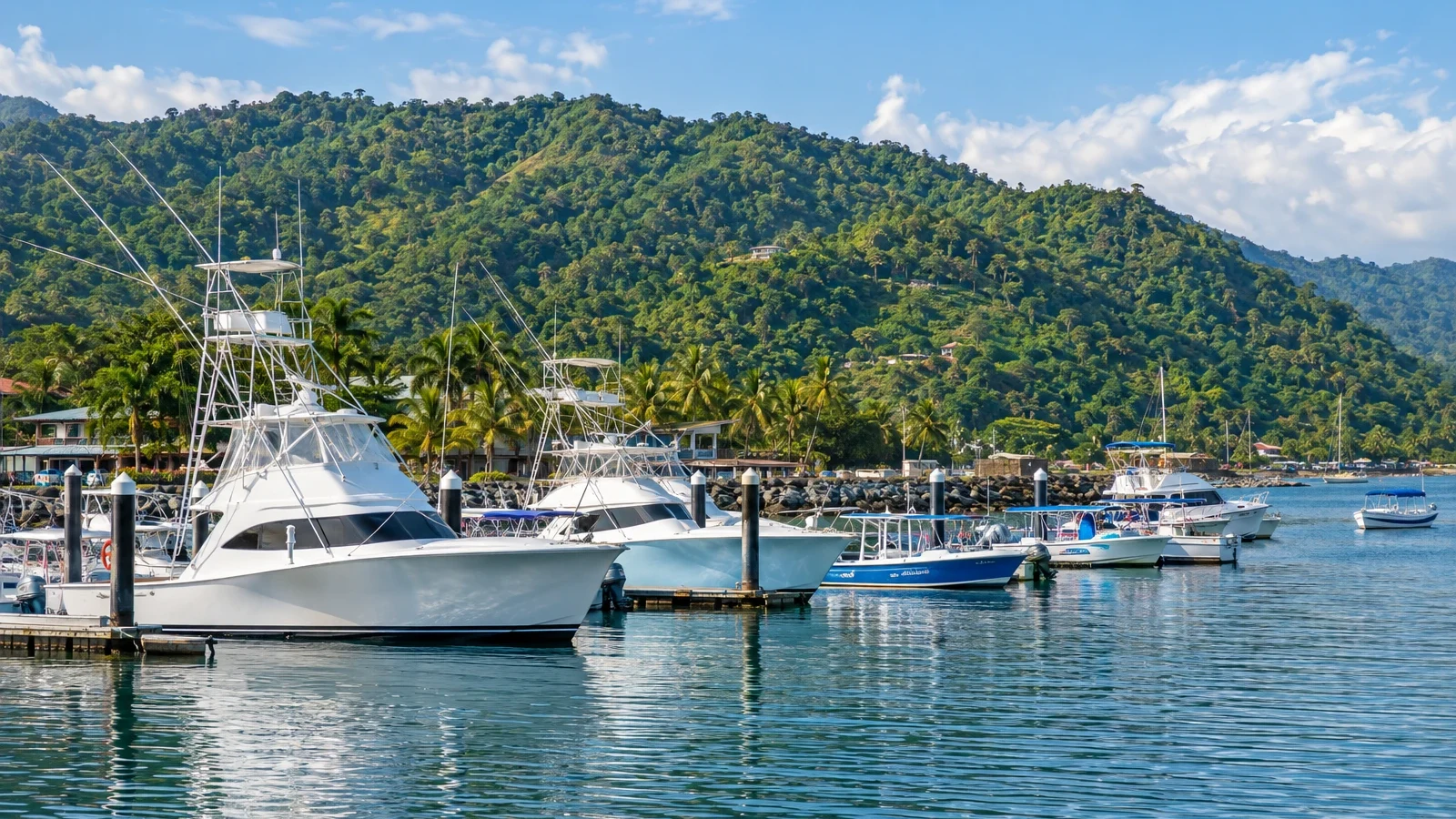
Quepos is a service hub and port, while accommodations in Manuel Antonio are spread along roads and across hilly terrain leading toward the national park.
Manuel Antonio is famous for its rainforest trails and beaches, but it is not an attraction you should visit unprepared. Tickets are sold through the official SINAC system, and the park does not have its own visitor parking lot.
What to do in the region?
From forest trails to boat trips, activities in the Central Pacific suit different vacation paces.
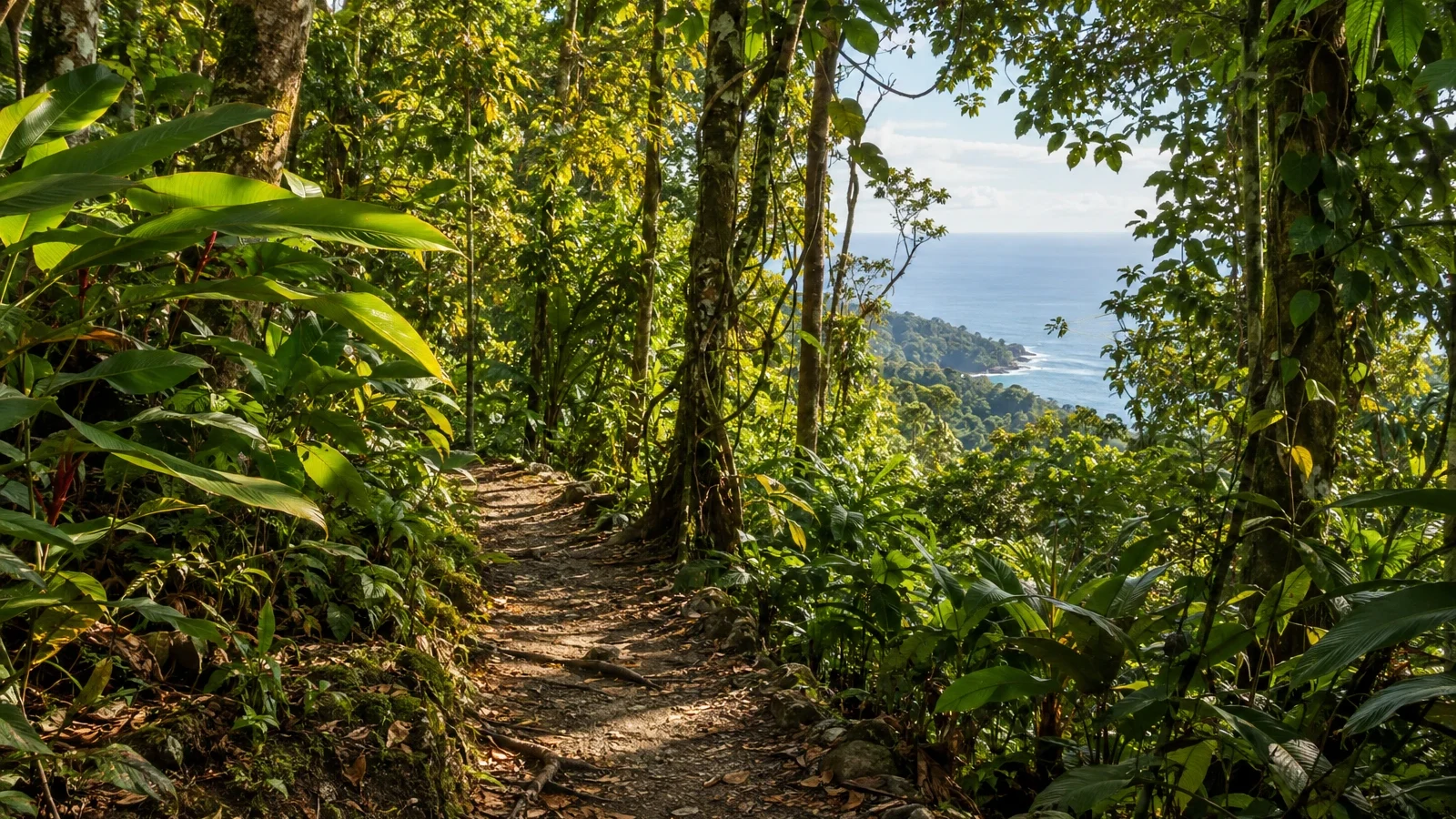
Jacó, Playa Hermosa and the beaches in the Manuel Antonio area do not all offer the same experience. Some are popular for surfing, others for a walk or a quiet afternoon. Currents and waves can be powerful: always ask for advice before swimming.
Several ocean activities are offered from Quepos, depending on the season and sea conditions. Compare durations, safety measures and respect for wildlife.
Manuel Antonio National Park combines trails, dense vegetation and beaches. Book your ticket on the official SINAC platform. According to the official information consulted, Manuel Antonio is usually closed on Tuesdays: check the opening days and your time slot before finalizing your itinerary, and do not bring food intended to attract animals.
Farther north, Carara National Park offers another way to discover the forest. Small-group or guided visits can help you spot birds and understand the environments you pass through.
Quepos has a more lively local scene than you might imagine if you focus solely on the beaches. Restaurants, small shops and excursion departure options make it a convenient base.
Jacó has a livelier atmosphere, particularly appreciated by travelers looking for restaurants, surfing and nightlife. Choose the area according to your preference for peace and quiet rather than its popularity alone.
A morning in the forest followed by an afternoon with no plans makes for an excellent balance. You can then enjoy the late-afternoon light, a shaded terrace or a beach suited to walking.
The coast can be hot and humid. Plan for breaks, stay hydrated and don’t overload your days at the parks.
When to go and practical tips
The generally driest period on the Central Pacific coast runs from December to April. From May to November, the green season brings more rain, lush vegetation and sometimes changeable conditions for outings.
Even in the dry season, the heat and humidity can be intense. For hikes, morning visits are often pleasant; for activities at sea, follow the local recommendations for the day.
A car allows you to travel between Jacó, Quepos, Manuel Antonio and the surrounding beaches, but it isn’t essential every day if you’re staying close to your activities. Shuttles, buses and transfers are available depending on the area.
Near heavily visited sites, parking can be challenging. Check where parking is permitted and never leave valuables visible in a vehicle.
Quepos may suit those who enjoy the shops and restaurants of a lively town. Accommodations in Manuel Antonio are convenient for the forest atmosphere and outings to the park, with options for a range of budgets.
Jacó is a base farther north, suited to travelers focused on surfing or beach activities. When choosing, look at the exact location and travel times, not just the ocean view.
Two or three nights allow you to visit Manuel Antonio and enjoy an extra day at the beach or on an excursion. With four or five days, you can add Jacó, Carara or a water activity without an overly packed schedule.
If you’re then heading to Uvita and the Osa Peninsula, keep the South Pacific as a separate stop. This allows you to give each region the time it deserves.