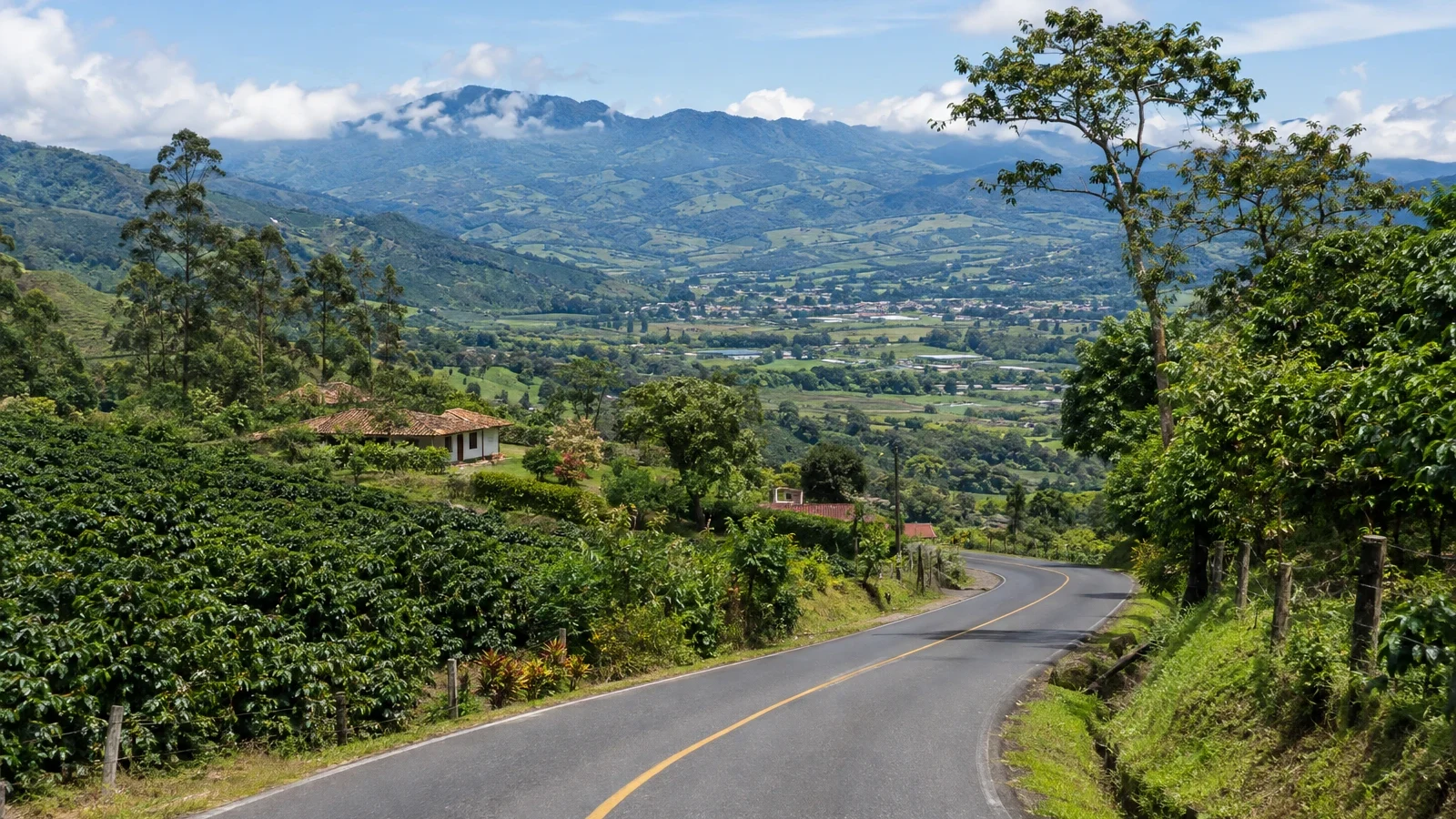


The Central Valley, with its culture, volcanoes, and green landscapes.
In the heart of Costa Rica, the Central Valley brings together San José, its neighboring cities, and nearby mountains. It is an ideal region for experiencing Costa Rican life, visiting cultural sites, and spending days in the outdoors without too many long journeys.
Why visit the Central Valley?
The Central Valley is often visitors’ first glimpse of Costa Rica. But it would be a shame to see it only as an arrival stop: around San José, markets, museums, lively neighborhoods, and small towns offer a chance to discover a country that is more than its beaches and tropical forests.
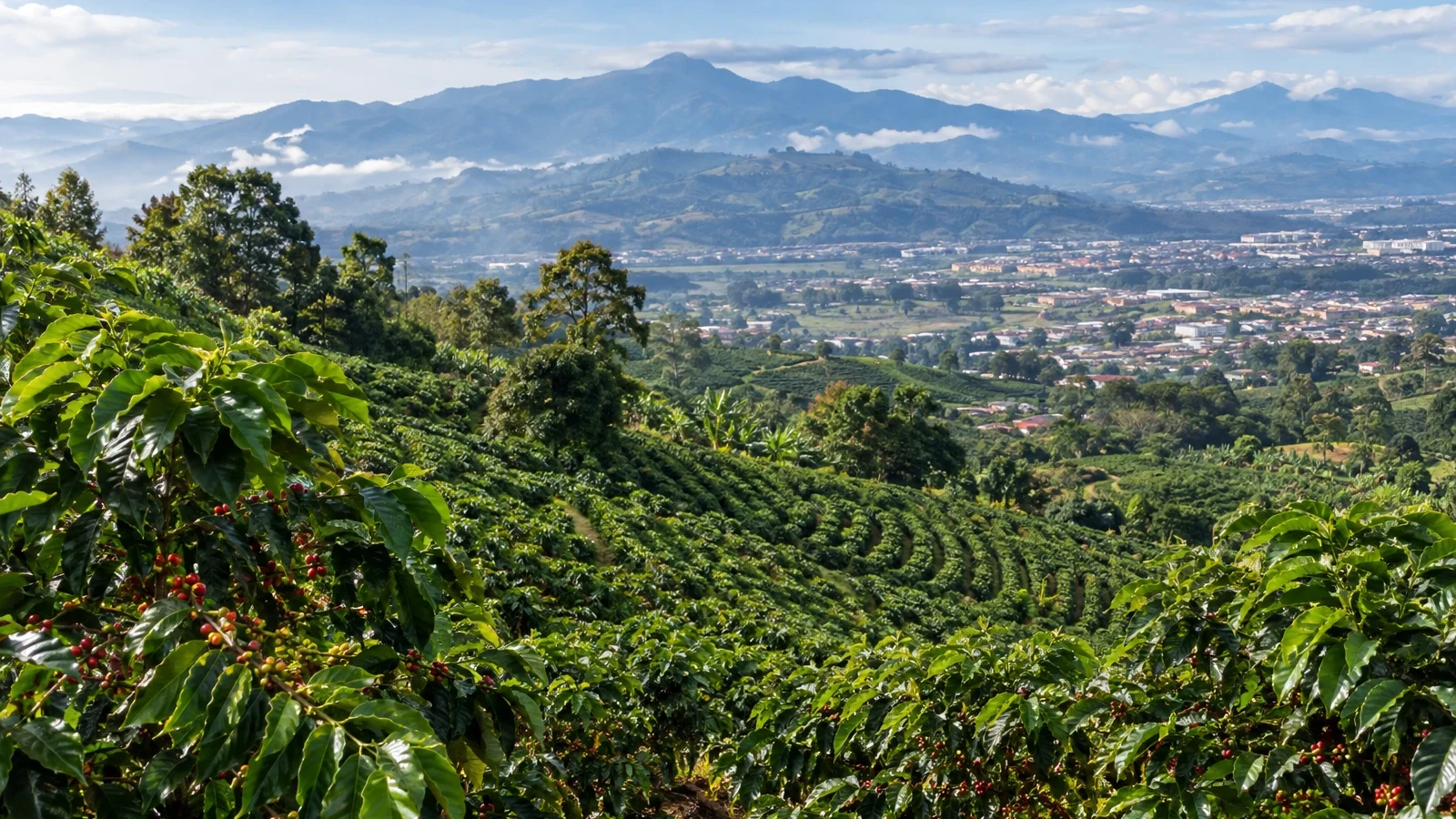
The scenery changes within just a few kilometers. You can travel from the streets of the capital to coffee plantations, then to mountain roads lined with gardens and crops. Poás and Irazú volcanoes are among the region’s iconic excursions, subject to access conditions, weather, and park regulations.
Cartago, the former capital, and the Orosi Valley invite you to slow down. Heritage, agricultural landscapes, and green hills come together for a more peaceful day, away from the bustle of San José. It is also a good opportunity to discover local specialties at neighborhood eateries.
The Central Valley suits travelers who enjoy variety. You can plan a first night here after your flight, two or three days of exploring, or a longer stop before heading to the coasts. The right itinerary depends mainly on the time available and the traffic, which can sometimes be heavy around the major cities.
Read also: choosing your arrival airport.
Where is the Central Valley?
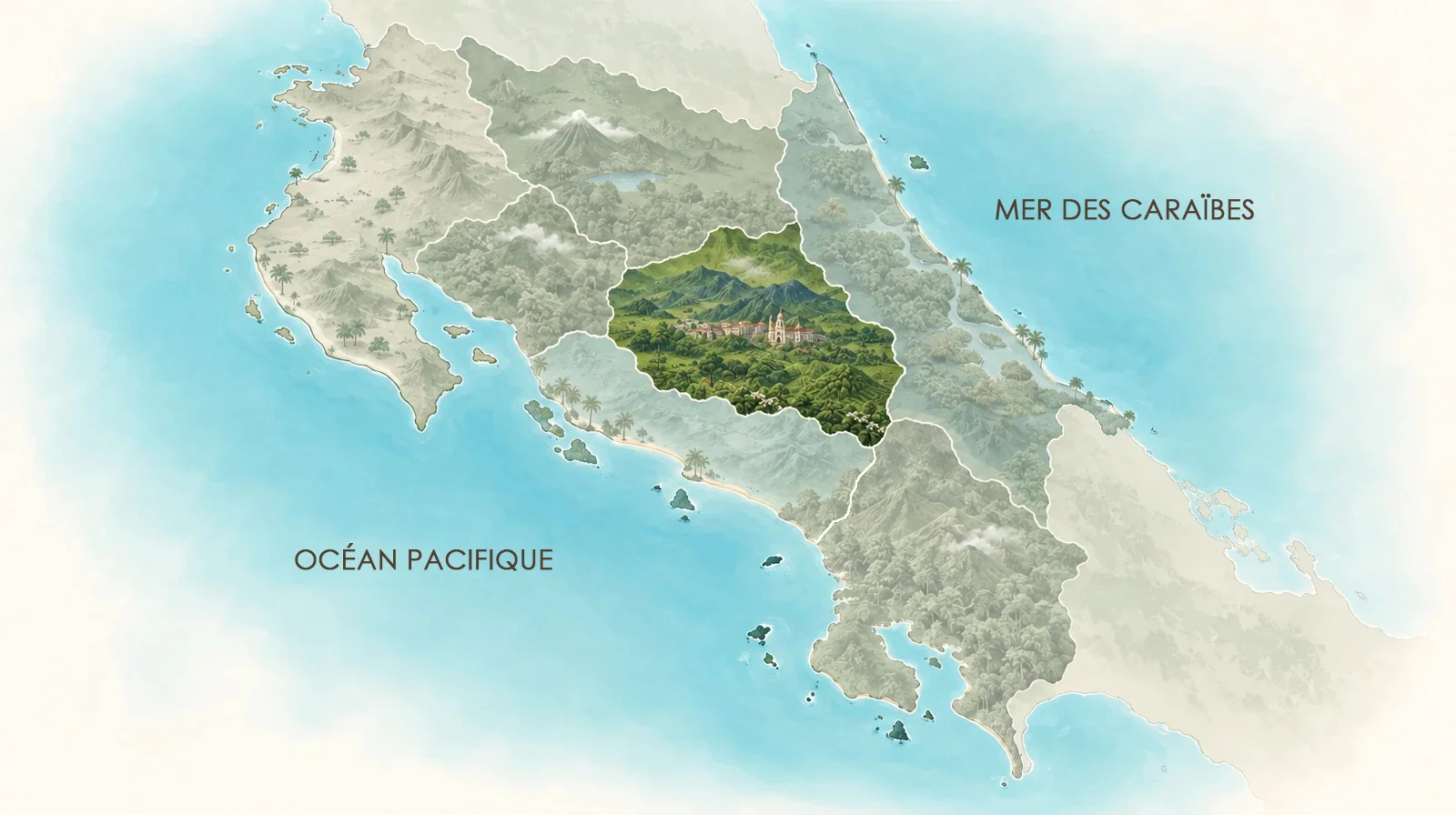
The Central Valley lies in the center of Costa Rica, around San José, Alajuela, Heredia, and Cartago. It is surrounded by mountains and volcanic terrain. Juan Santamaría International Airport is near Alajuela, making the region particularly convenient at the beginning or end of a trip.
Distances on the map often look short, but traveling through cities and along mountain roads can take time. To explore the region, it is best to group visits by area: San José on foot, a volcano on a dedicated day, then Cartago and Orosi on another.
Central Valley highlights
With its heritage, volcanoes, and mountain villages, the Central Valley offers several ways to discover a vibrant Costa Rica full of contrasts.
Costa Rica has many protected areas; trying to visit them all would make no sense. For a first trip, prioritize two or three complementary parks close to your accommodations.
Manuel Antonio is famous for its rainforest trails and beaches, but it is not an attraction you should visit unprepared. Tickets are sold through the official SINAC system, and the park does not have its own visitor parking lot.
What makes Tortuguero distinctive is its canals, wetlands and access, which is generally arranged by boat or plane depending on the option chosen. It is not an outing to squeeze in between two distant hotels simply because the map appears to show an accessible village.
What to do in the region?
Museums, high-altitude excursions, gardens, and local cuisine: activities are easy to combine here, as long as you account for traffic and weather in the mountains.
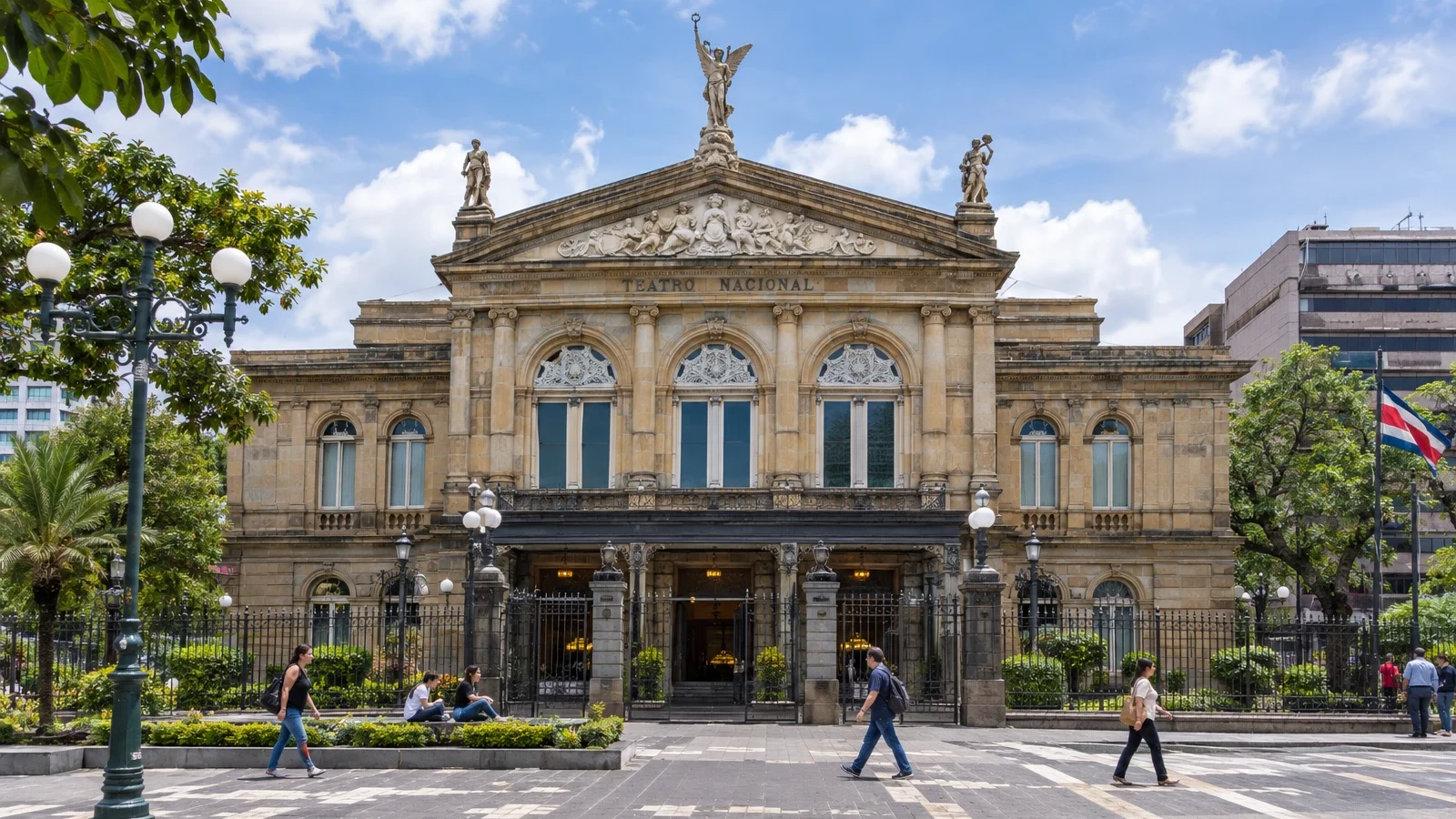
Start with San José if you enjoy cities that tell a story. The National Theater, museums, and markets offer insight into the country and its daily life. Depending on your interests, a guided walk can also make it easier to discover the neighborhoods and their contrasts.
Cartago and the area around Orosi offer a different atmosphere, with religious heritage, viewpoints, and places to stop for a bite. Avoid trying to fit too many visits to distant places into a single day.
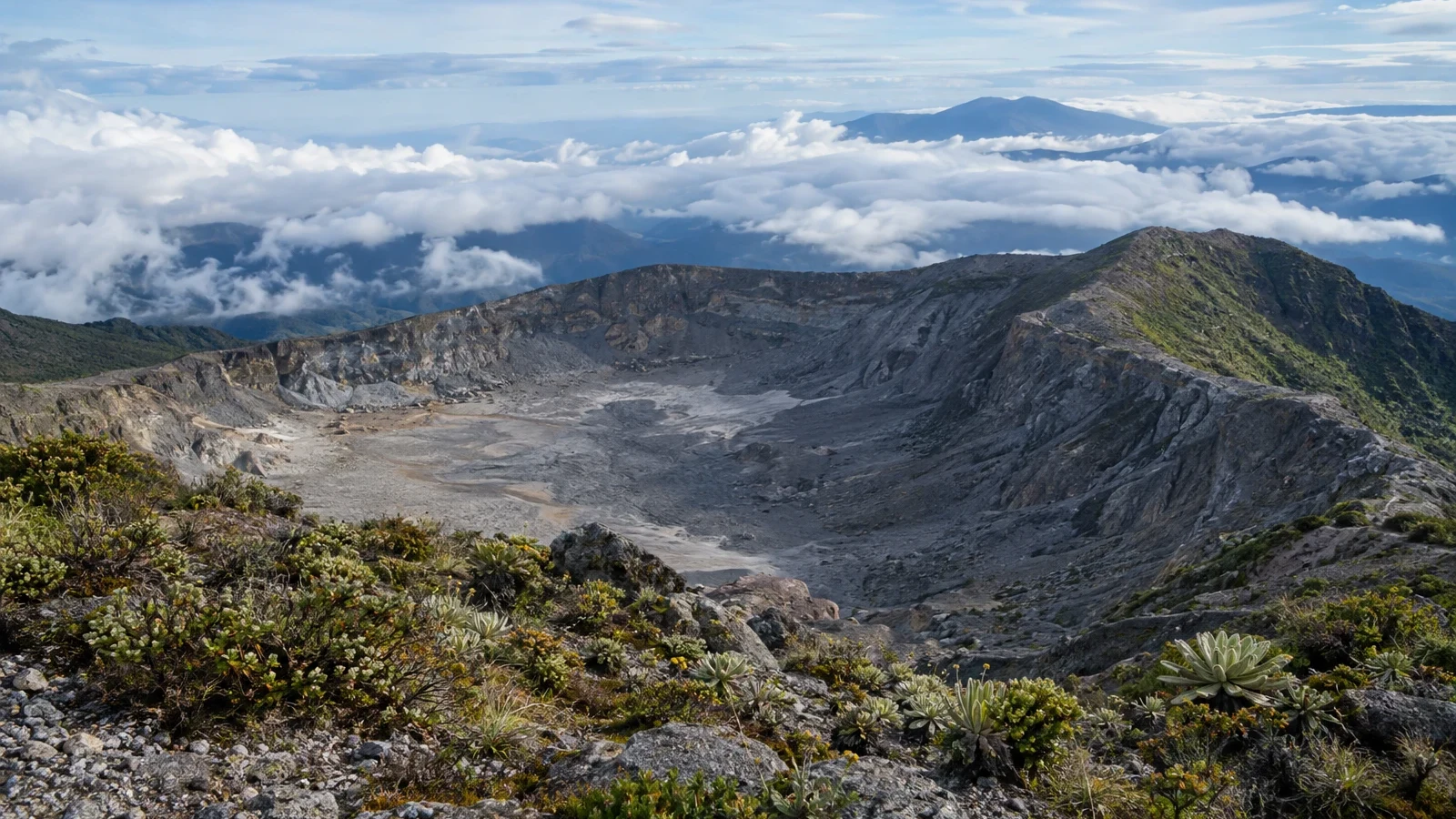
Poás and Irazú offer a chance to discover high-altitude landscapes that are very different from the coast. Crater visibility depends on cloud cover, and access arrangements may change: check official information before setting out and have an alternative visit in mind.
For a gentler outing, choose gardens, permitted mountain trails, or a coffee plantation open to visitors. Bring a light jacket: the air can be cool at higher elevations.
The region is ideal for taking the time to taste Costa Rican cuisine at a market or a small soda, one of the popular restaurants that serve simple dishes. Morning gallo pinto or a casado for lunch are among the easy discoveries to share.
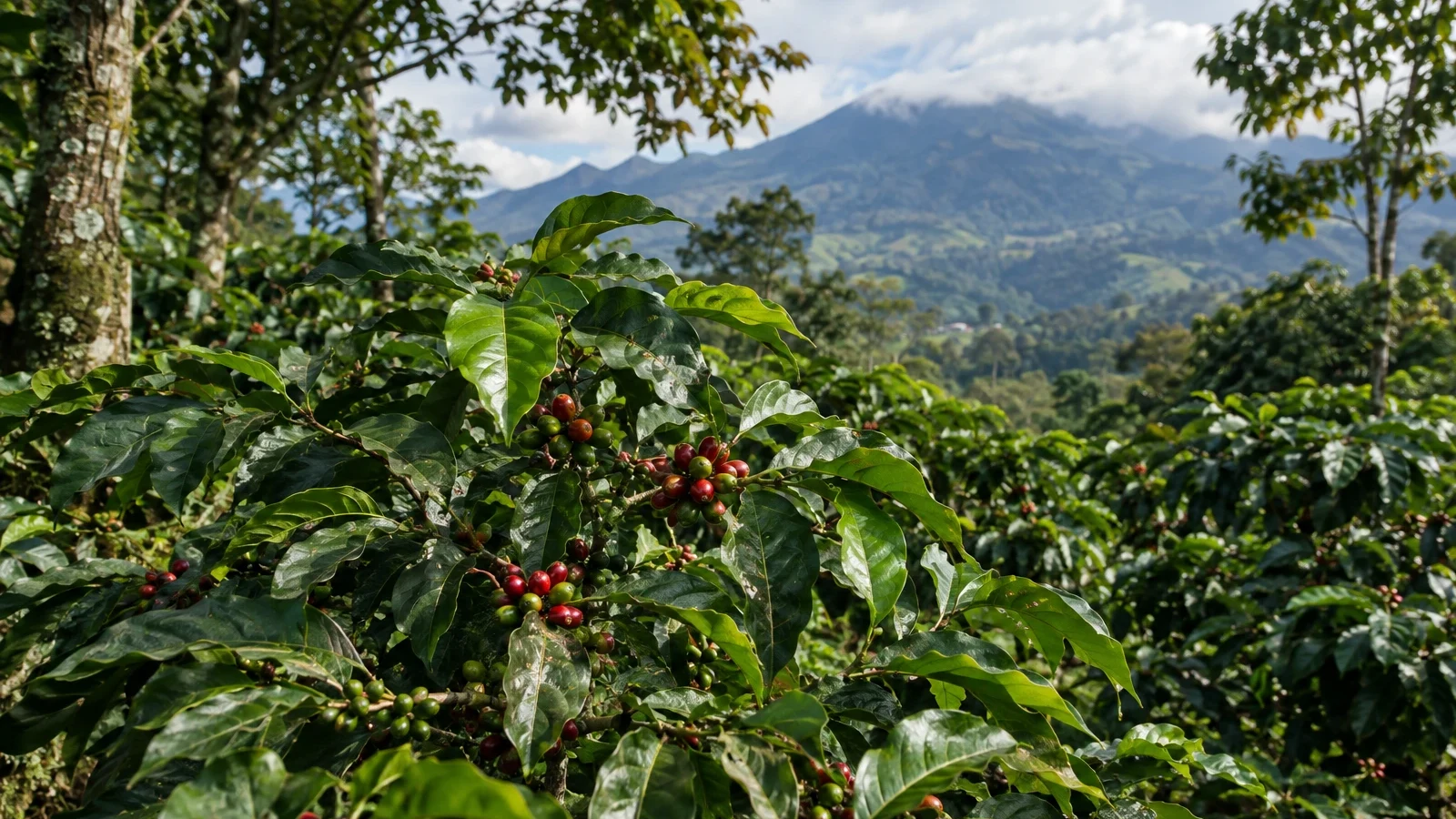
Coffee plantation tours add an agricultural and human dimension: they explain how coffee is grown, harvested, and processed, often amid beautiful hill scenery.
Treat yourself to a morning in a town in the valley, lunch without a tight schedule, and a stroll through a garden or a pleasant neighborhood. After a long flight, this pace is often more enjoyable than a succession of excursions.
If you are continuing on to Arenal, the Pacific, or the Caribbean, use this stop to take care of the final details of your trip rather than rushing from one site to another.
When to go and practical tips
The Central Valley generally has a drier season from December to April and a wetter season during the rest of the year. At higher elevations, the weather can change quickly: sunshine in the morning, followed by clouds or rain, even on a beautiful day.
For the volcanoes, leave early when possible and have a backup plan if visibility is poor. The region remains interesting year-round thanks to its museums, markets, and cultural visits.
In San José, combine walking, suitable transportation, and occasional rides in an official taxi or through an available ride-hailing app. Traffic and parking make a car impractical for a day focused on the capital.
For mountain excursions, a car makes planning easier, but the roads can be winding and the weather changeable. Allow extra time for the journey rather than relying solely on the distance shown in kilometers.
San José is a good choice for museums and lively neighborhoods. Alajuela can be convenient before or after a flight at Juan Santamaría. Heredia, Cartago, or accommodations in the hills offer a quieter atmosphere if your sightseeing is focused outside the capital.
Choose first according to your next destination and planned activities: staying near the airport is not necessarily ideal for visiting Cartago, and vice versa.
One night is enough for a simple stopover after your flight, but leaves little time to discover the region. With two days, you can spend one day in San José and another on an excursion of your choice.
Three or four days allow you to combine the capital, a volcano, and Cartago or Orosi without rushing too much. If your stay is short, choose only the experiences that truly appeal to you.