


Guanacaste, between idyllic beaches and unspoiled nature.
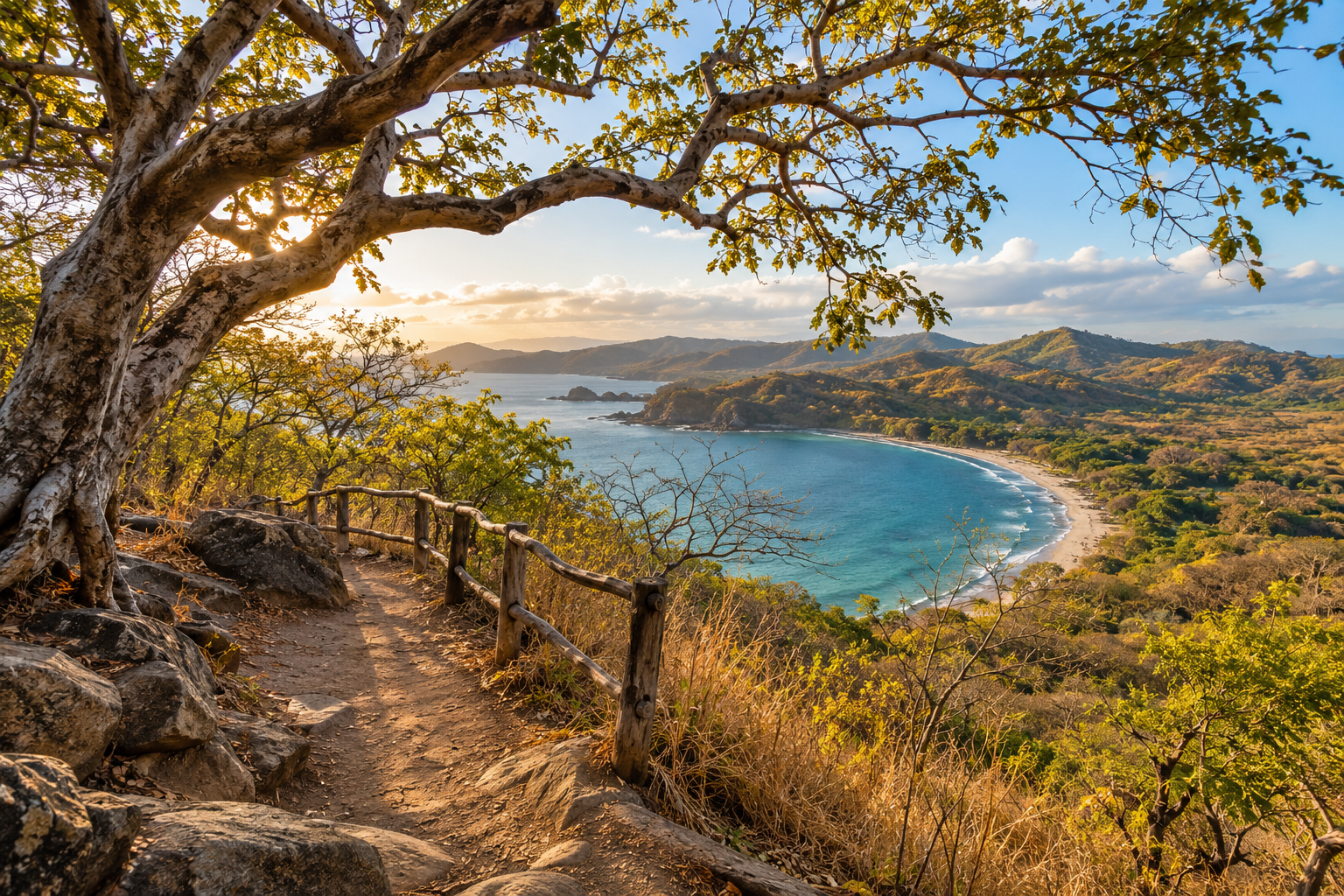
In northwestern Costa Rica, Guanacaste reveals a bright and contrasting side of the country. Here, long Pacific beaches sit alongside green hills, tropical dry forests, and volcanic landscapes. An ideal destination for combining relaxation, discovery, and adventure at your own pace.
Why visit Guanacaste?
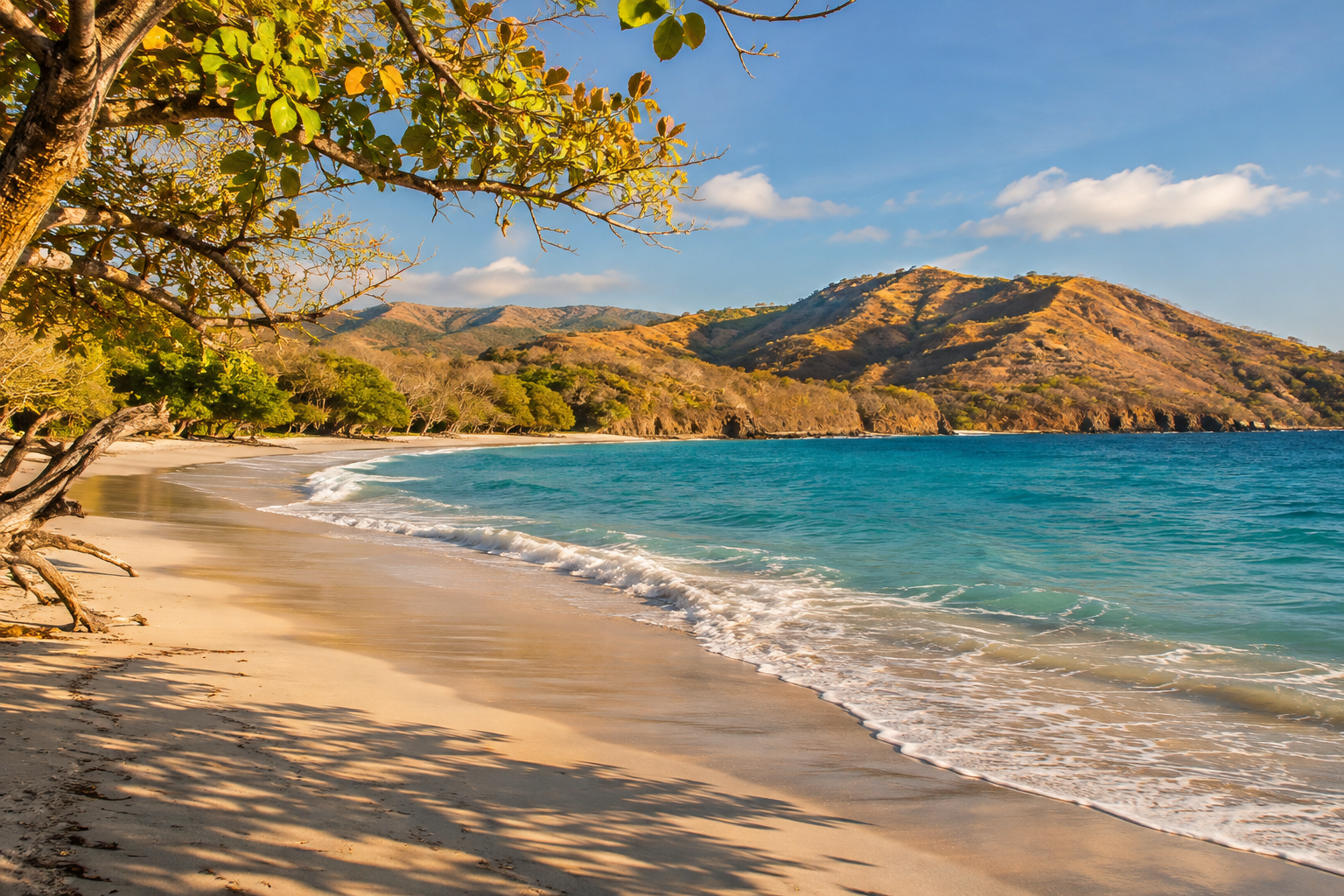
Guanacaste is one of Costa Rica’s most popular regions, and for good reason. Its coastline is home to a wide variety of beaches, from lively beach resorts to quieter coves. Tamarindo attracts lovers of surfing and seaside restaurants, while Playa Conchal appeals with its turquoise waters and sand made up partly of shell fragments.
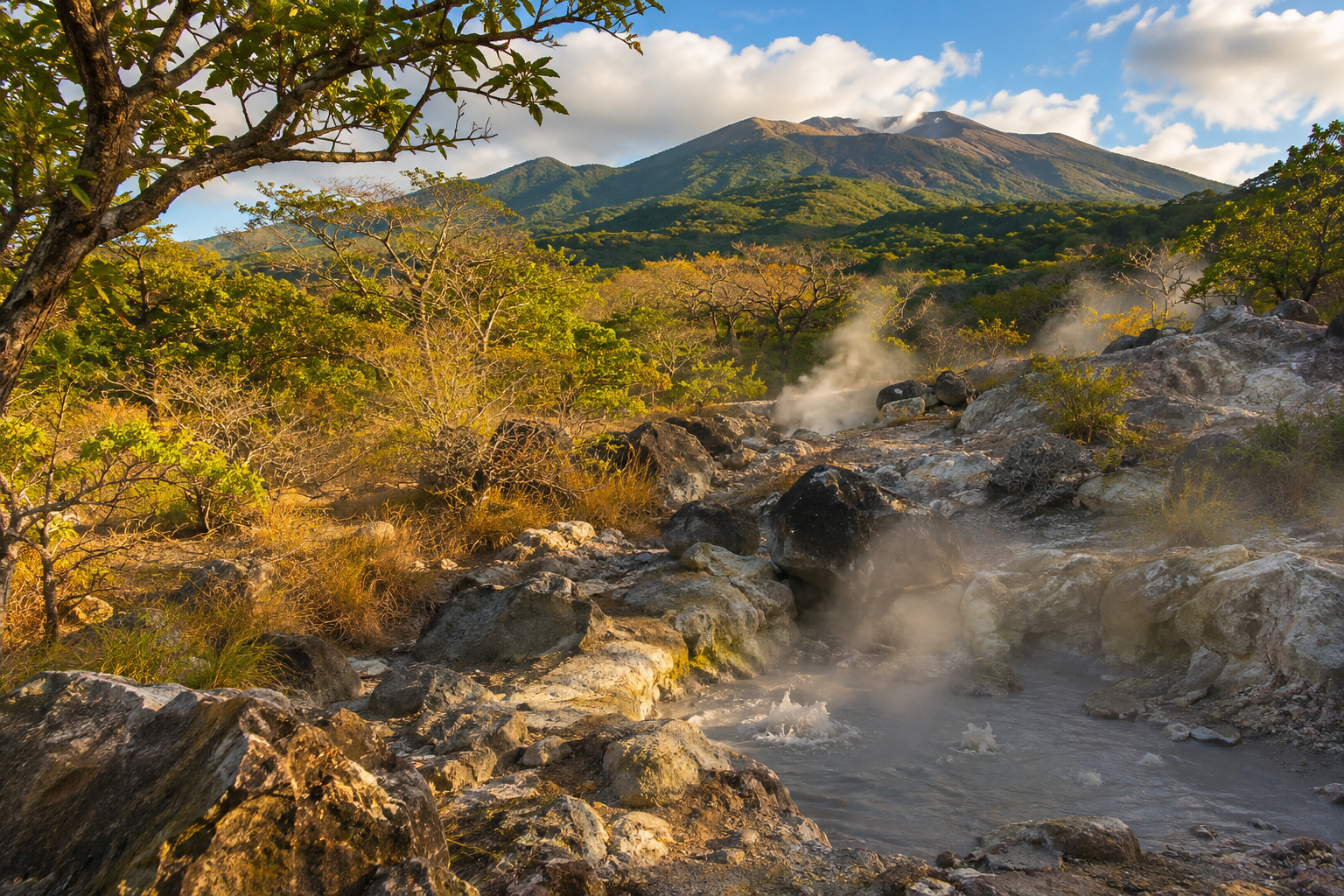
But to think of Guanacaste only in terms of its beaches would be to miss much of what it has to offer. Inland, the landscapes gradually change. Hills and pastures give way to tropical forests, rivers, and volcanic terrain. Rincón de la Vieja National Park offers a chance to discover spectacular nature, with its trails, geothermal features, and varied ecosystems.
The region also has a strong cultural identity. Its rural traditions, cattle-ranching heritage, music, and cuisine contribute to an atmosphere different from that of other regions of the country. In cities such as Liberia and villages in the hinterland, visitors encounter a more everyday side of Costa Rica, where traditions remain alive.
Guanacaste is well suited to both a first trip and a more in-depth stay. With family, as a couple, or with friends, it offers the chance to alternate between swimming, walks, nature experiences, and moments of rest, without trying to cover too many miles.
Read also: discover Nosara · Tamarindo: how many days and what to do nearby?.
Where is Guanacaste?
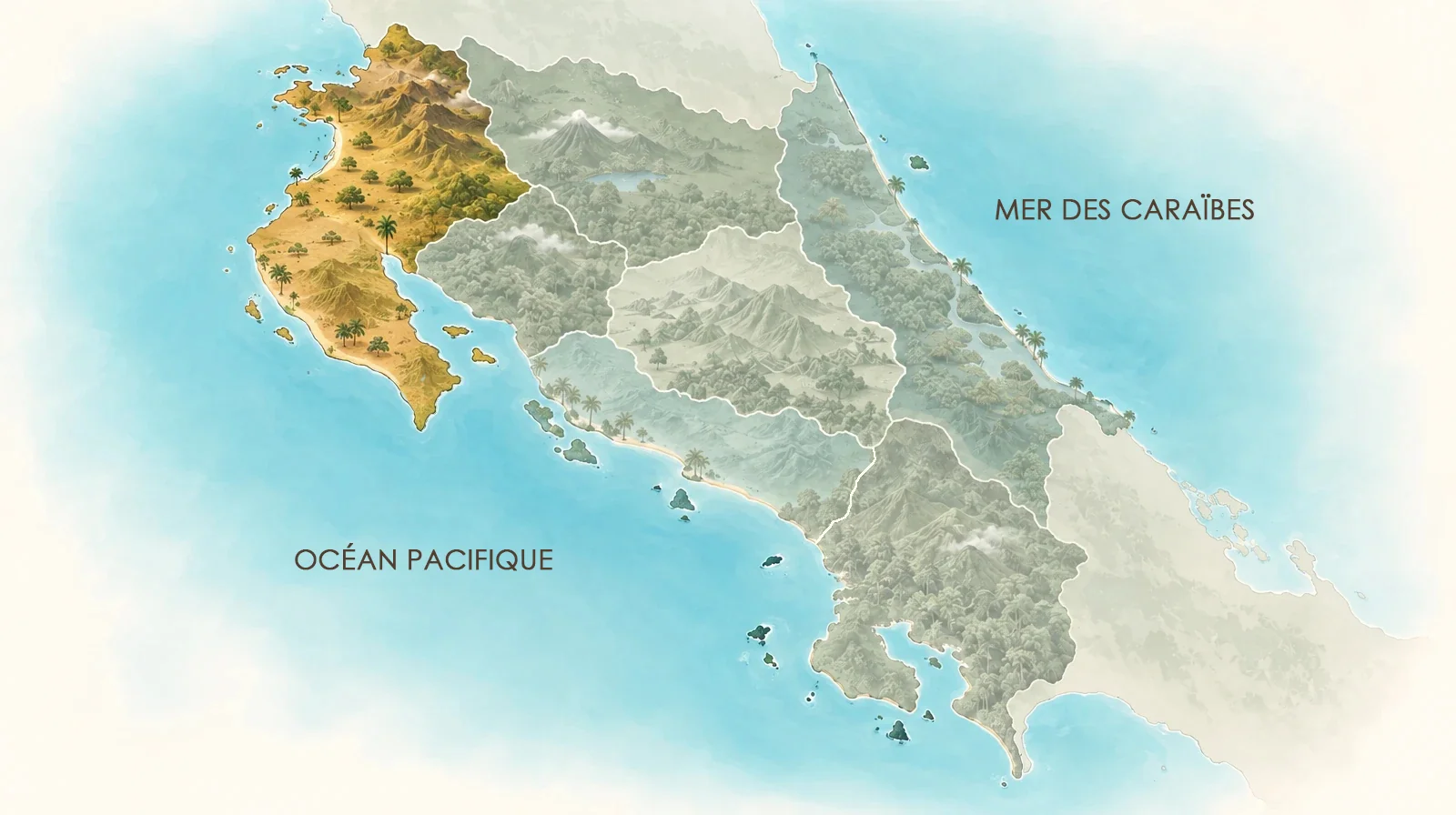
Guanacaste is in northwestern Costa Rica, along the Pacific Ocean, near the border with Nicaragua. Its provincial capital, Liberia, is one of the main gateways to the region. Daniel Oduber Quirós International Airport, located in Liberia, provides access to several popular destinations on the Pacific coast. Depending on your itinerary, it may be worth comparing an arrival in Liberia with one in San José.
The region covers a relatively large area, with landscapes and atmospheres that vary considerably between the coast, the Nicoya Peninsula, and the inland volcanic areas. Some beaches are close to one another, while other sites require several hours on the road. To make the most of your stay, it is therefore better to choose a few stops that fit well together rather than try to discover the entire region in a few days.
Guanacaste’s must-see attractions
With its idyllic beaches, volcanoes, and national parks, Guanacaste brings together some of the most characteristic landscapes of northwestern Costa Rica.
Tamarindo appeals to travelers who want to combine the beach, restaurants, surf lessons, and convenient services. The lively atmosphere can be an advantage, but also a drawback if you envision secluded accommodations surrounded by nature.
Across from the Tamarindo area, Playa Grande appeals to travelers looking for a long beach and an atmosphere different from Tamarindo’s bustling center. The area is part of the surroundings of Las Baulas National Marine Park, which was created in part to protect leatherback turtles.
The name Nosara often brings to mind surfing, yoga, and long beaches like Guiones. Yet the village, beaches, and scattered accommodations make up an area where location matters a great deal.
Sámara is associated with a bay and a more relaxed beach atmosphere; Tamarindo offers extensive tourism options, a lively center, and a strong surf scene.
What to do in the region?
Guanacaste offers a wide variety of experiences, from peaceful days by the ocean to more active excursions. The choice depends mainly on your interests, the season, and where you are staying.
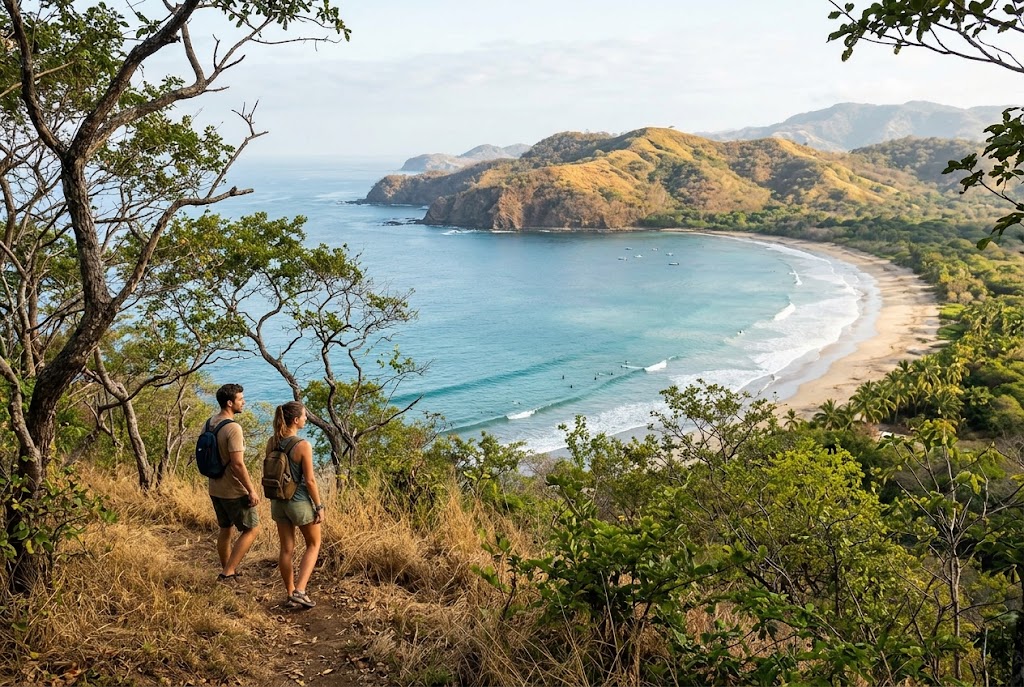
The coastline is one of the region’s main attractions. Tamarindo and Playa Grande are particularly well known among surfers, while other beaches are better suited to walking or relaxing. Swimming opportunities and sea conditions vary from place to place: always take currents and local recommendations into account.
The Papagayo Peninsula and certain stretches of the coast also offer beautiful views, with coves, beaches, and opportunities for boat trips.
Guanacaste offers the chance to discover several natural environments. At Santa Rosa, distinguish between the historic La Casona sector and the coastal Playa Naranjo sector. They are not visited in the same way; check access conditions and reservation procedures with the Área de Conservación Guanacaste before setting out. is particularly interesting for its tropical dry forests and historical heritage. Rincón de la Vieja National Park has two visitor sectors, Las Pailas and Santa María, with separate access routes and services. Choose your sector before booking: an entrance or itinerary indicated for one does not necessarily describe the other., focused on volcanic landscapes and hikes.
Visiting options depend on which sectors are open, the weather, and access conditions. Remember to check official information before booking an excursion.
Also take time to venture away from the main tourist hubs. Liberia and the inland communities offer a glimpse of daily life and Guanacaste traditions.
It is also an opportunity to discover local cuisine, including corn-based specialties, traditional dishes, and small restaurants called sodas.
Finally, Guanacaste is particularly well suited to trips where you allow yourself to slow down. Spending a few nights in the same place gives you time to explore the surroundings without constantly traveling, enjoy the beach at the end of the day, and leave room for unexpected discoveries.
When to go and practical tips
Guanacaste generally has a well-defined dry season from December to April and a wetter period for much of the rest of the year.
During the dry season, days are often sunny, and the dry forest landscapes can take on golden hues. It is a popular time for beaches and outdoor activities, but it can also be busier and more expensive.
During the green season, the landscapes become lusher again. Showers are more frequent, though they do not necessarily prevent all activities. It is nevertheless best to keep some flexibility in your plans.
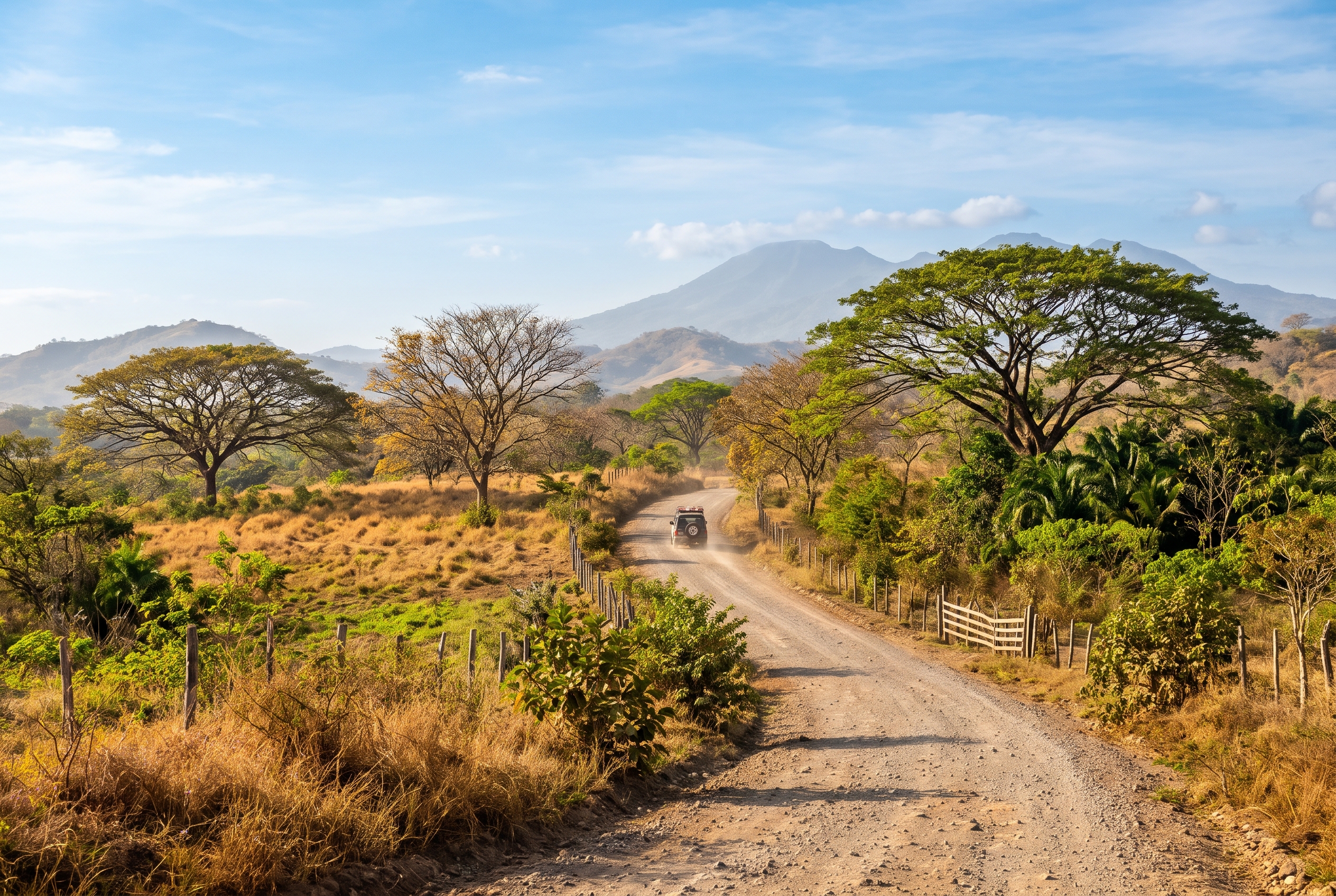
A rental car can be particularly convenient for exploring several parts of Guanacaste, especially if you want to combine beaches and nature parks.
However, road conditions vary. Travel times can be longer than expected, particularly when taking secondary roads. Before booking a vehicle, check access to your accommodations and the sites you want to visit.
The best place to stay depends on the experience you are looking for.
Tamarindo suits those who enjoy a lively atmosphere and plenty of services. Other parts of the coast offer the chance to prioritize tranquility, more secluded accommodations, or proximity to a particular beach.
To discover the volcanic landscapes as well, a stop near Liberia or farther inland can complement a stay on the coast.
For a first visit, four to six nights can be a good starting point if you want to enjoy the coast and plan one or two excursions.
A shorter stay can work if you remain in one particular area. On the other hand, a week or more allows you to explore several places without spending every day traveling.
The key is to build your itinerary around a few things you really want to do, rather than trying to see everything.
Your questions
before you go