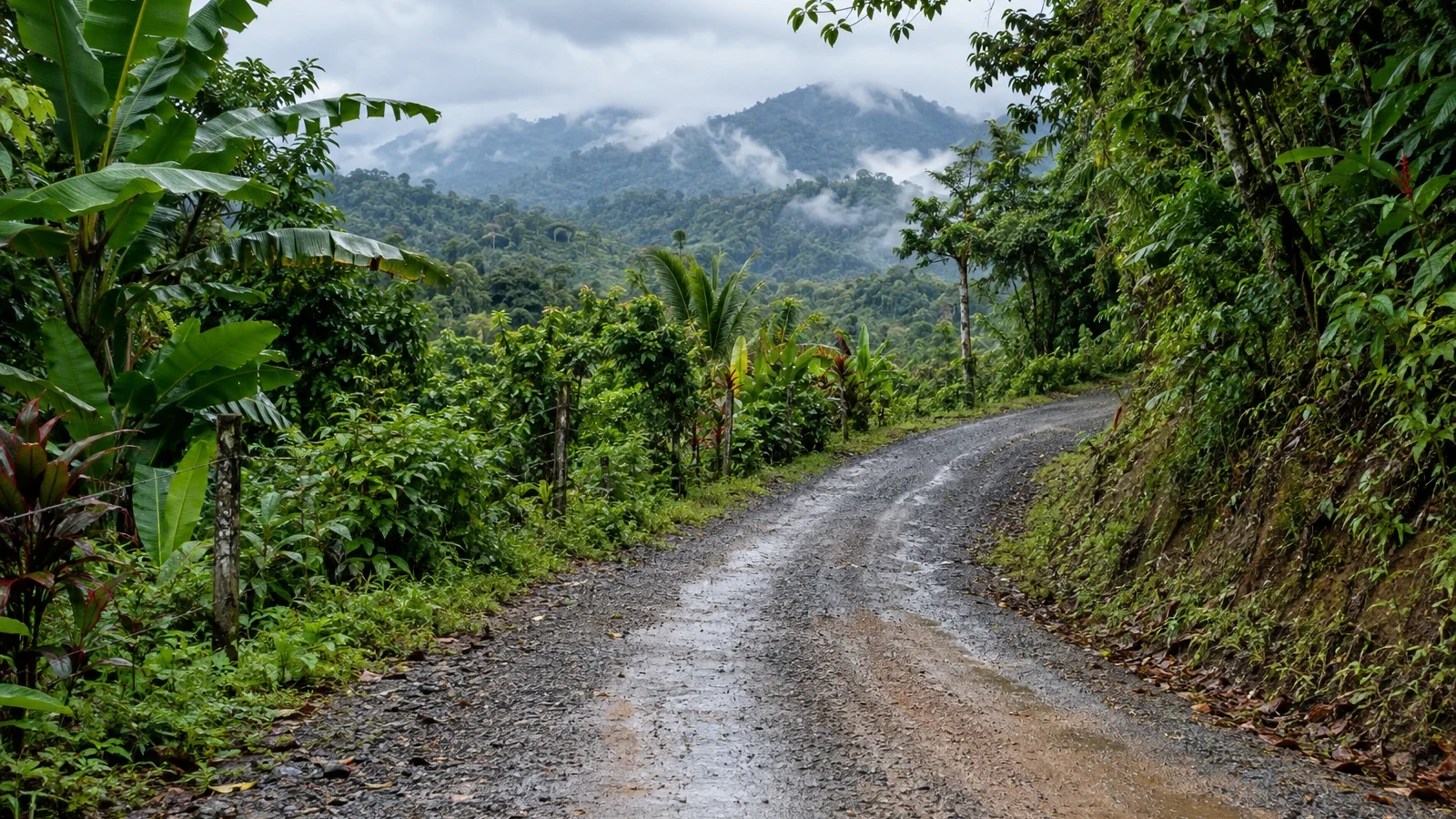


The South Pacific, between wild jungle and endless ocean.
From Dominical to Uvita, then on to the Osa Peninsula and the Golfo Dulce, the South Pacific reveals a more expansive and often less developed natural landscape. This region invites you to slow down, observe wildlife, and carefully plan your journeys so you can appreciate the scenery without rushing through it.
Why visit the South Pacific?
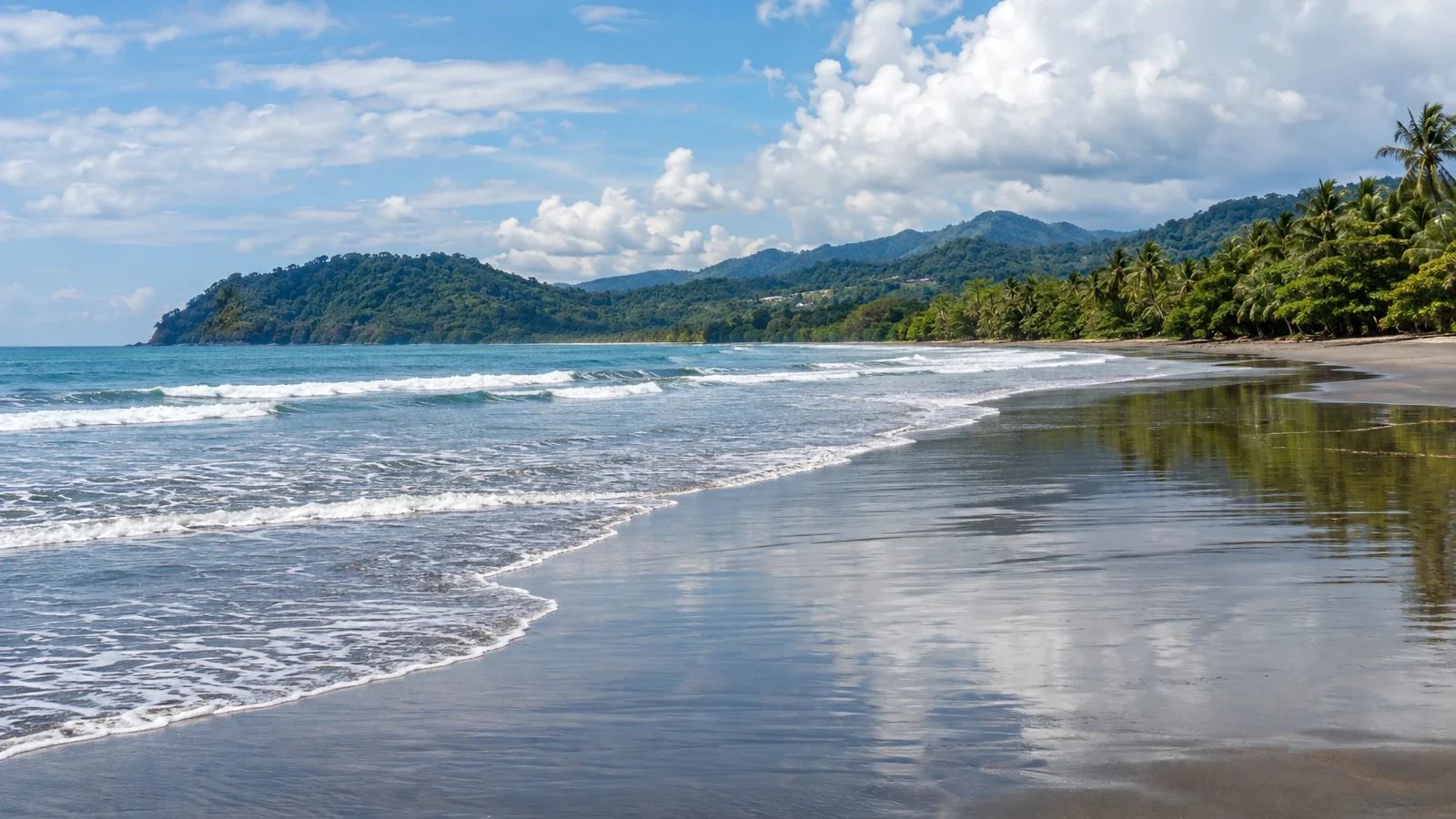
The South Pacific is one of the regions where the contrast between tropical forest and ocean is most striking. Beaches stretch beneath vegetation-covered hills, rivers flow into estuaries, and the landscapes change quickly after a rain shower.
Around Uvita, Marino Ballena National Park attracts visitors with its beaches, views, and wildlife-watching boat trips. The presence of whales depends on migrations and natural conditions: an excursion never guarantees a sighting, even during favorable periods.
Farther south, the Osa Peninsula and the area around the Golfo Dulce offer a stay more focused on biodiversity. Corcovado National Park is particularly renowned, but visiting it requires thorough preparation: the sector, access, authorized guides, and park rules must be checked before making any booking.
The South Pacific suits travelers who enjoy unspoiled environments and are willing to move at a slower pace. Journeys can be long, rainfall heavy, and some accommodations isolated. In return, you discover a quieter Costa Rica, deeply connected to its landscapes.
Read also: Where to see whales in Costa Rica?.
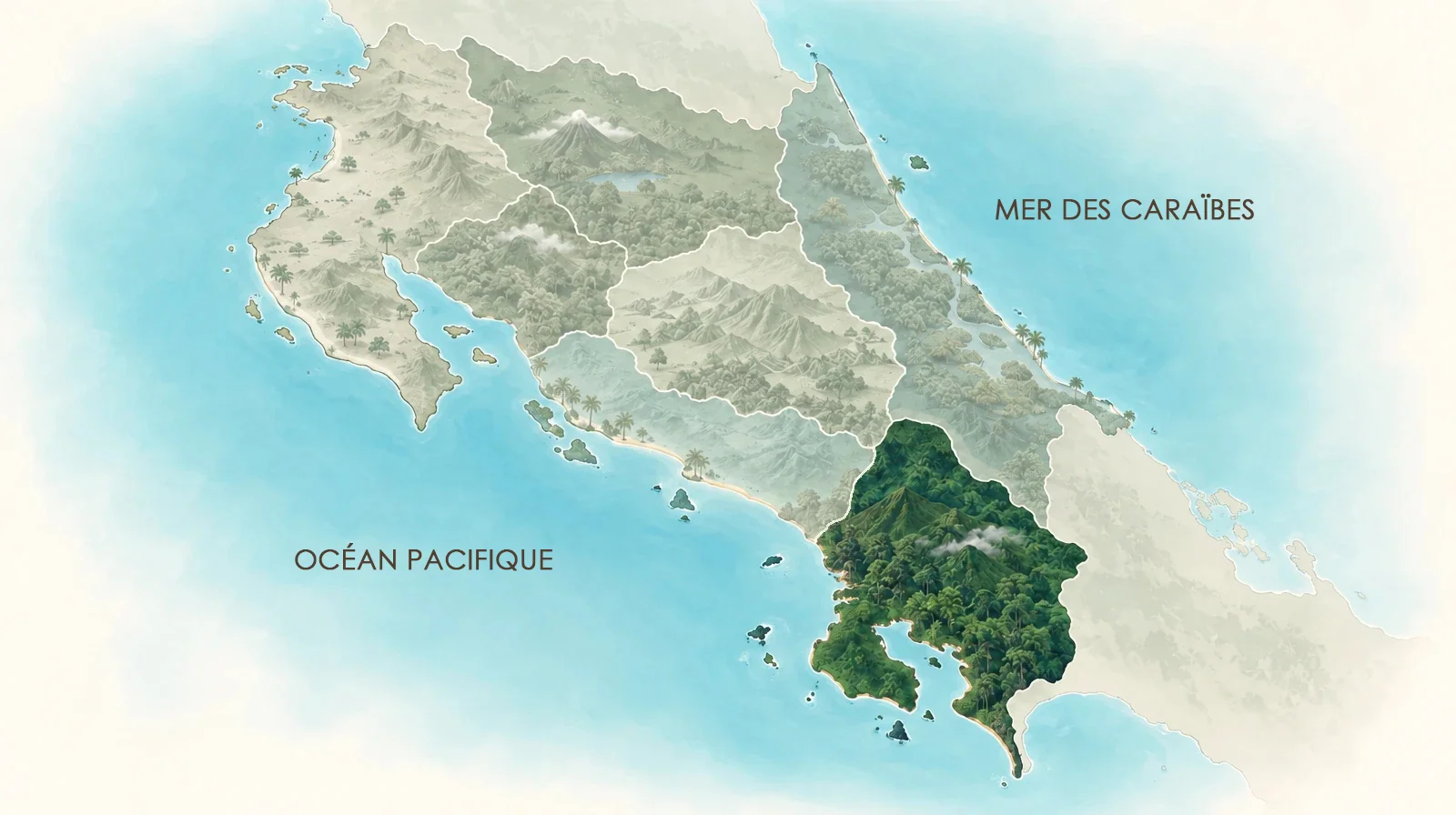
Where is the South Pacific?
The South Pacific lies in southwestern Costa Rica, along the coast south of the Quepos and Manuel Antonio area, extending to the vicinity of the Panamanian border. In our tourism classification, it includes Dominical, Uvita, the Golfo Dulce area, and the Osa Peninsula.
The destinations may look close on a map, but travel between them can be slow, particularly toward the more remote parts of Osa. To appreciate the region, choose a first base around Uvita, then a second only if your itinerary actually includes the peninsula.
South Pacific highlights
Southern coast beaches, naturalist excursions, and exceptional forests: discover the South Pacific through carefully chosen stops.
Nothing Found
What to do in the region?
Here, nature remains the main attraction. Experiences are best chosen carefully, according to the season, access, and the protection of natural habitats.
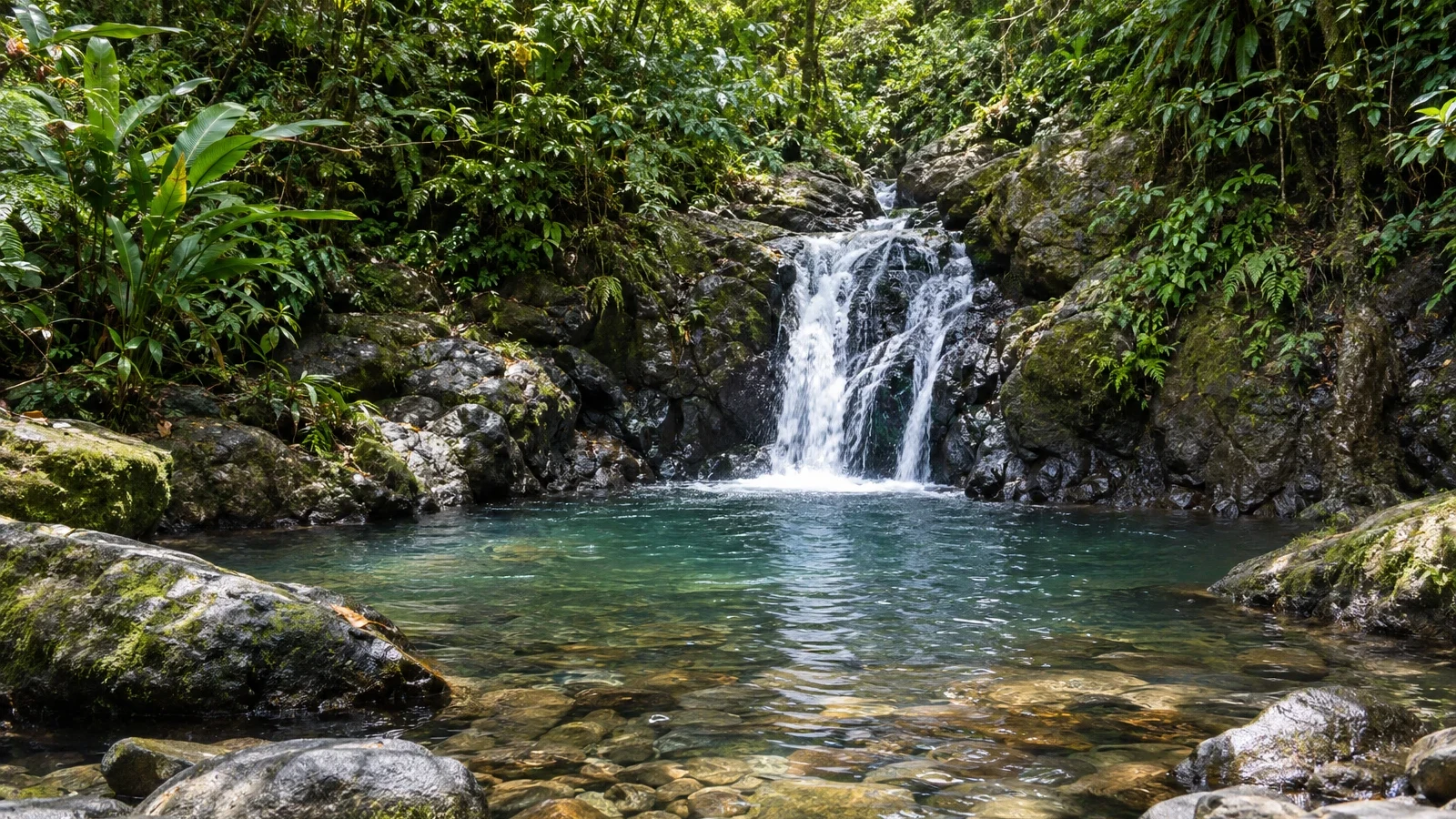
The beaches of Dominical and Uvita invite you to stroll and take in the scenery. Some areas attract surfers, while others are known for their expansive coastal landscapes. Before swimming, check the waves, currents, and local recommendations.
At Marino Ballena National Park, check access conditions, tide times, and visitor rules. The sandbar known as the “whale tail” can only be walked when the tide permits, according to park guidelines before planning your day. Boat trips must maintain the legally required distances from animals.
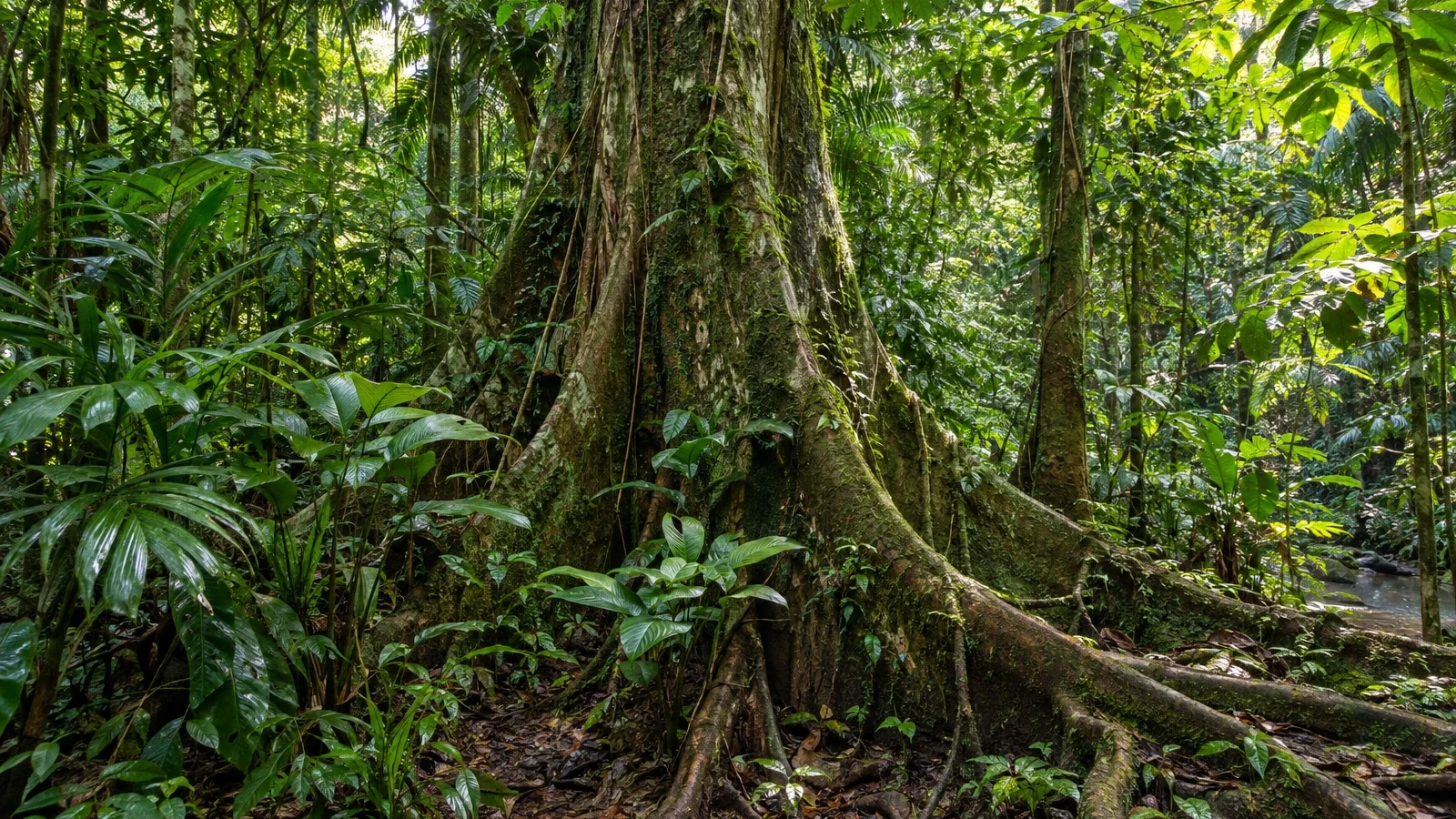
The Osa forest is home to remarkable biodiversity and fragile habitats. A visit to Corcovado should be planned with an authorized operator or guide in accordance with the rules applicable to the chosen sector, rather than treated as a simple improvised walk.
Around Uvita and Dominical, trails and reserves also offer beautiful forest experiences, without necessarily undertaking a major excursion farther south.
Birdwatching, guided forest walks, boat trips, or exploring a river: there are many possibilities, but all depend on the day’s conditions. Choose providers who respect the sites, the animals, and the safety of participants.
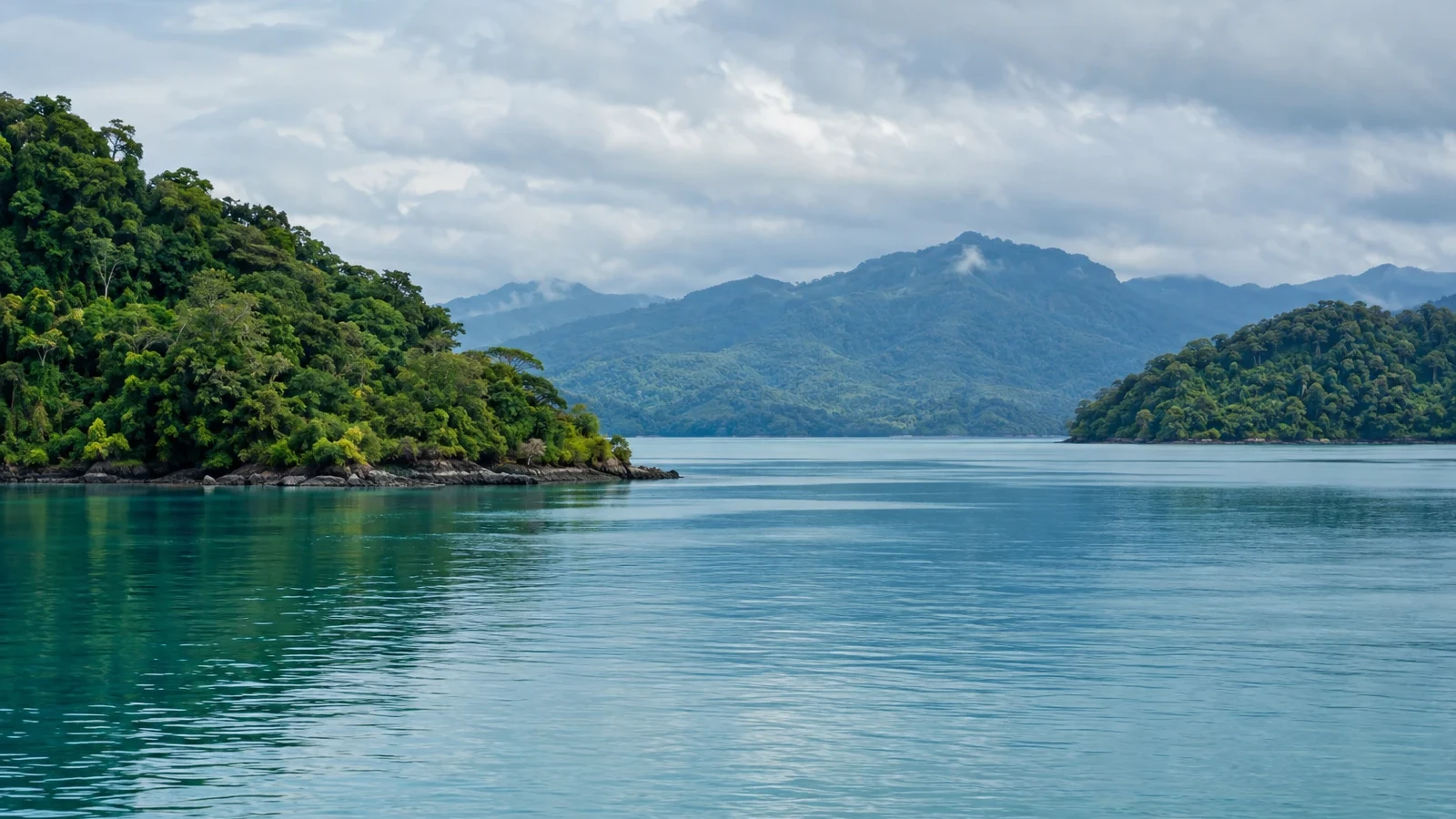
Excursions to the Golfo Dulce or remote areas must take transfer times, weather, and boarding constraints into account. A reasonable itinerary leaves room for changes.
The South Pacific is particularly well suited to mornings with no appointments, stops at scenic viewpoints and evenings surrounded by the sounds of the forest. It’s a destination where taking your time is an activity in itself.
Reduce the number of times you change accommodations and avoid scheduling a long drive after a tiring excursion. This is often the best way to enjoy the region.
When to go and practical tips
The South Pacific generally has a drier period from December to April and heavier rainfall during the green season. Conditions vary depending on the coast, the terrain and weather events.
Certain periods are favorable for whale watching, but the presence of the animals and the availability of trips also depend on sea conditions. Rely on local information and don’t plan your entire stay around a single excursion.
A car is convenient for traveling between Dominical, Uvita and the main coastal villages. However, reaching some parts of the Osa Peninsula involves more difficult roads, organized transfers or a boat, depending on the area.
Before booking isolated accommodations, ask about the exact arrival and parking arrangements. Don’t assume that a journey that looks short on the map will be quick, especially after heavy rain.
Uvita and Dominical offer complementary bases for exploring beaches, boat trips and nature without changing accommodations every day. Choose according to the atmosphere you’re looking for, whether that means a lively village, beach access or accommodations surrounded by vegetation.
For Osa and Corcovado, choose your accommodations based on the area of the park you want to visit and the available excursion departures. The distances between the different entrances are considerable.
Two or three nights allow for an initial introduction to Uvita and Dominical. Four or five nights provide more flexibility for a boat trip, a day in the forest and some rest.
If the Osa Peninsula is one of your priorities, add several days dedicated to this stop rather than trying to make a rushed round trip.