

When to visit Costa Rica: choosing by region
Visiting Costa Rica between December and March is a good choice if your main priority is enjoying the Pacific coast. But this period should not be treated as a rule for the entire country. The right month also depends on what you are looking for.
Costa Rica does not have just one “best season”
The Pacific has a relatively well-defined dry season, while the Caribbean has a more complex pattern, with lulls particularly in February-March and September-October. Between the two, the terrain changes the picture again. Choosing a date without choosing a region is like booking an umbrella without checking where the rain is falling.
Three questions before booking your tickets
What landscape do you really want to see? The beaches of Guanacaste under relatively dry skies, Monteverde’s cloud forest, full-flowing rivers and waterfalls, or the Caribbean coast? Next, which activities are priorities? Surfing, turtles and whales do not all follow the same calendar. Finally, how flexible can you be about showers and crowds? Someone willing to adjust their days will not necessarily choose the same time of year as a family whose excursions must each fall on a specific day.
A calendar to read region by region
From December to March, the Pacific is generally drier; April and November are transition months. From May to October, showers are more frequent, often in the latter part of the day on the Pacific side. July and August can offer a relative lull, the “veranillo,” with no guarantee of good weather. On the Caribbean side, September and October are often appealing months despite their poor reputation on the west coast. Think in terms of trends, not daily forecasts.
Making a decision without expecting the wrong thing
Compare two itineraries for the same dates, one focused on the Pacific and the other on the Caribbean. Then look at the excursions that really matter and the alternatives available on rainy days. In your travel journal, save one main activity per day, plus a short option nearby. You will gain freedom rather than artificial certainty. Practical example: choosing your dates between the Pacific and the Caribbean A concrete case: you have two weeks in September and dream of visiting both the Osa Peninsula and Cahuita. Before booking four hotels, compare the usual rainfall on each coast and the actual cost of crossing the country. If your main goal is the Caribbean coast, a trip focused on Puerto Viejo, Cahuita and a stop near San José will often make more sense than a long zigzag.
A decision table that does not rely on luck
Write down three columns: “desired region,” “main activity” and “level of flexibility.” A hike in Monteverde does not lend itself well to the idea of “guaranteed good weather,” but it can still be fascinating in the mist. A week of swimming on the Pacific coast is much more sensitive to the choice of season. If you are set on the Caribbean, do not draw conclusions from Guanacaste’s weather tables. Finally, if your vacation dates are fixed, reverse the question: which region best suits my dates? This approach avoids turning a climate preference into a travel obligation.
Start with your priority activity
If you are mainly looking for beach days, do not choose a region as though you were planning a nature-focused trip to the forest. If you are interested in seeing wildlife, look at the species and area rather than a blanket promise of a “best season.”
| Your priority | What should guide your choice |
|---|---|
| Pacific coast | Local seasonal trends and sea conditions |
| Caribbean coast | A regional weather pattern distinct from the Pacific’s |
| Cloud forest | The appeal of the environment and a plan suited to humid conditions |
| Marine wildlife or turtles | Species, area and viewing rules |
| Vacation on fixed dates | A suitable region and flexible bookings |
The ICT’s guidance describes climate trends, not a forecast for your stay. Keep the decision made several months in advance separate from checking the weather as departure approaches. This distinction allows you to choose a time of year without believing it will guarantee good weather every day.
When to go for the trip you want?
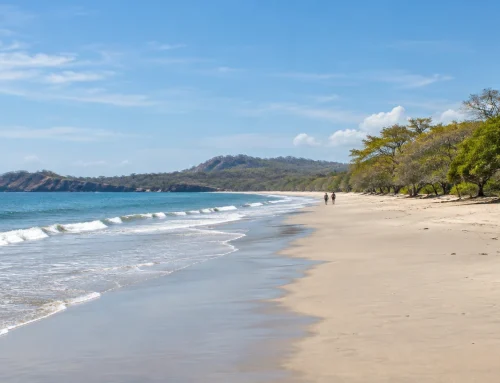
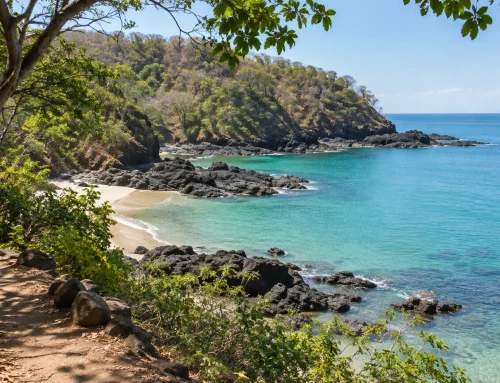
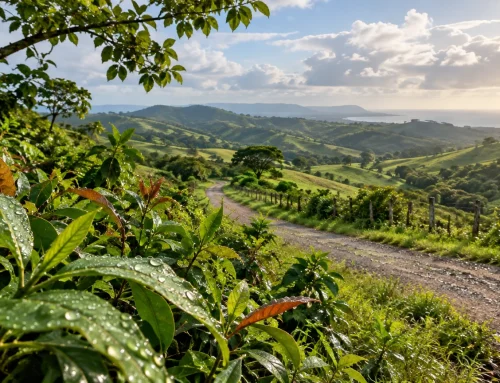
For Pacific beaches, the drier season generally falls between December and March, with April as a transition month. The vegetation changes in appearance, some destinations are busier, and important bookings may need to be made further in advance. Between May and October, the green season brings more rain to this side of the country, often with heavier showers in the latter part of the day. It can also offer very lush scenery, without turning every day into bad weather.
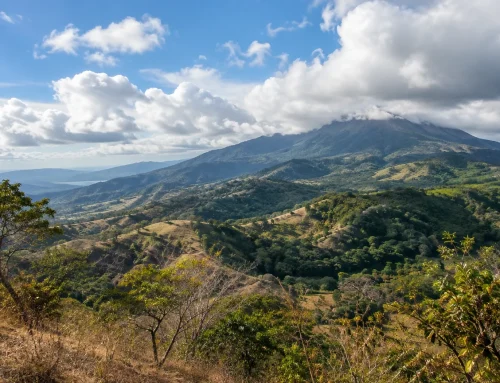
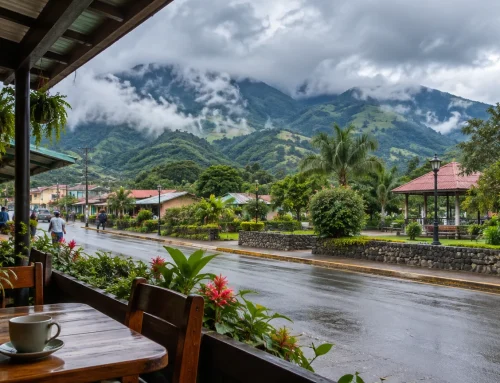
On the Caribbean coast, the pattern is different: relatively less rainy periods occur particularly around February-March and September-October, without a true dry season that is as sharply defined. At higher elevations, around Monteverde, expect cooler temperatures and humidity whatever the date; in La Fortuna, allow for possible cloud cover around the volcano.
Choose your month according to the main region, not a national average. If your dates are dictated by school vacations, start by looking at what that period allows rather than regretting a different “ideal” season. A good week at the right pace on a coast chosen with the conditions in mind can be more rewarding than a long tour that tries to escape every shower.
Frequently asked questions
 Numa Costa
The pen name under which I publish my articles and develop my editorial websites. Curious by nature, I enjoy understanding how things work, exploring everyday questions and making information easier to understand and use.
→ Learn more about the author