

Costa Rica in March: heat, crowds and itineraries
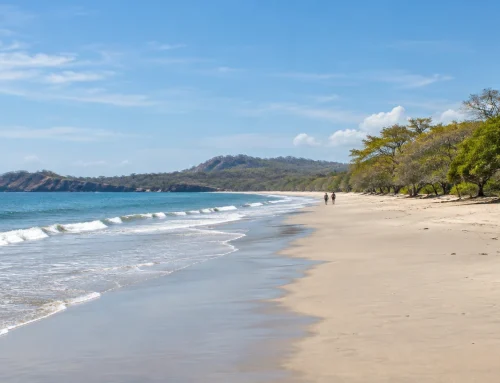
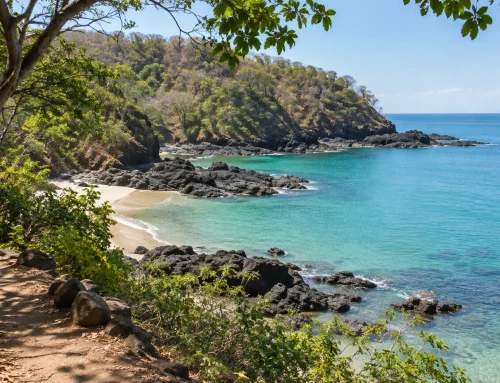
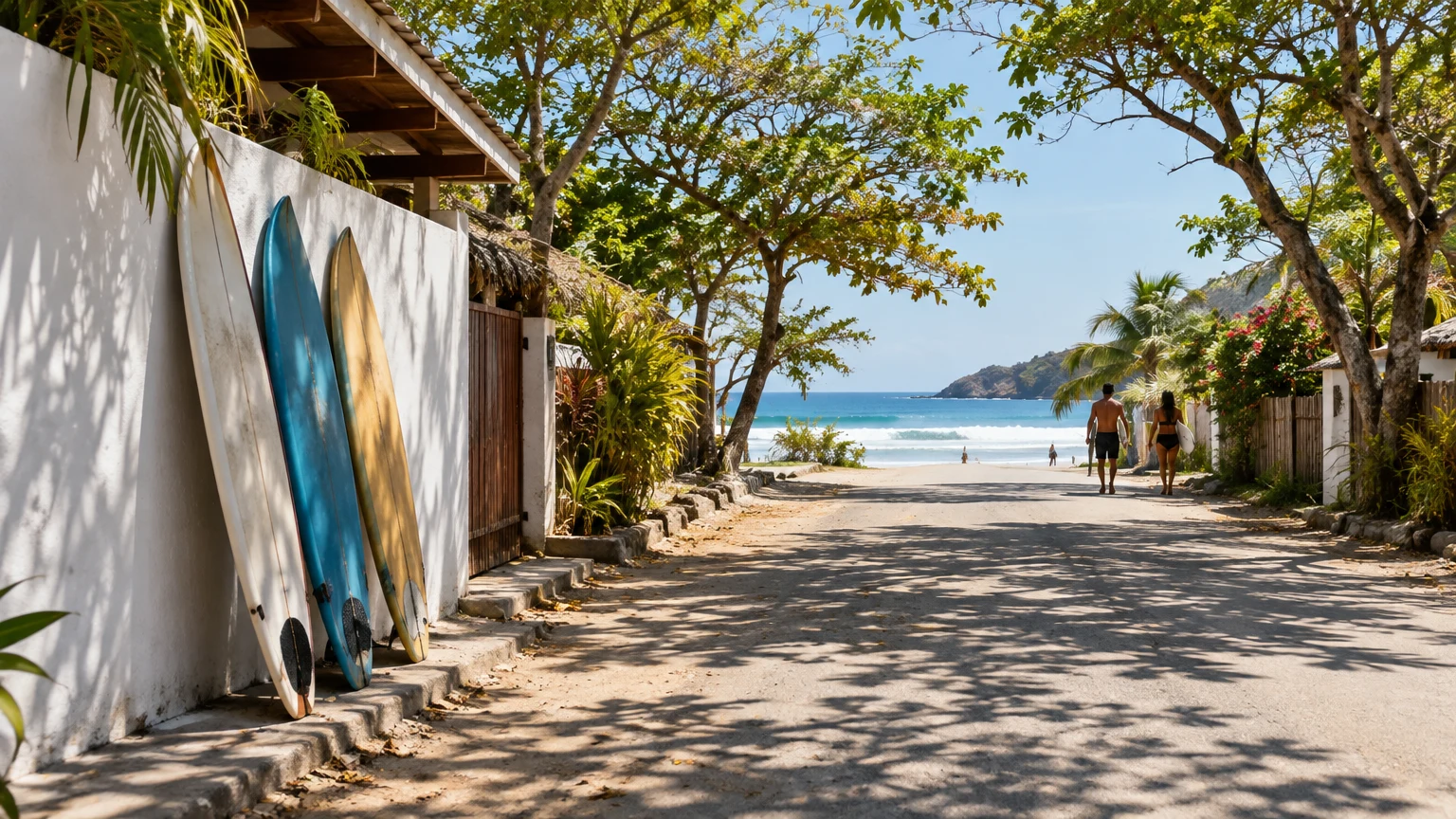
The Costa Rican Tourism Institute describes March as generally the driest and hottest month on the Pacific side. That’s good news for a beach-focused trip, but not necessarily for those dreaming of long hikes at noon.
March, an often very dry month on the Pacific side Sunshine, heat and road travel have a greater impact than you might imagine when planning a day from your couch.
Adjusting activities to the heat
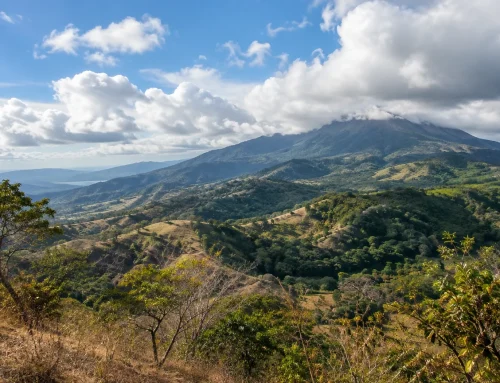
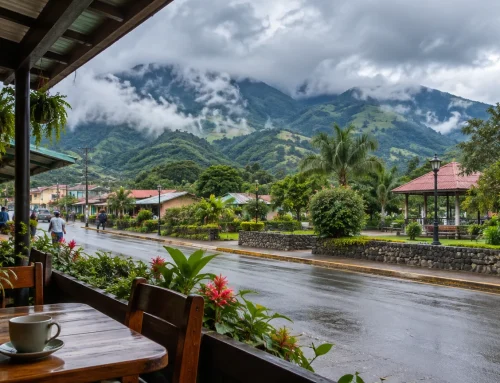
For a walk, set out early when the park and access conditions allow. Save the afternoon for a break in the shade, a supervised water activity or a shorter visit. Rainforests and mountains do not have exactly the same weather as the beaches. Heading up to Monteverde means packing warmer clothes, even in the middle of March.
When crowds change the equation
Vacation weeks and dates close to Holy Week can increase local and international demand, depending on the year. Visitor numbers vary by date: check vacation calendars and availability for your stay. : check the calendar dates and actual availability. On the coast, two accommodations just a few kilometers apart can offer very different atmospheres, from a lively center to a quieter retreat.
An itinerary that works
From Liberia, a stay in Guanacaste followed by Arenal limits unnecessary crisscrossing. From San José, La Fortuna and a Pacific coast destination offer another logical route. In either case, avoid packing four regions into ten days. Record dawn activities, park tickets and days with no plans in your travel notebook: rest is part of the trip.
In practice: adjusting visits to the March heat
A common mistake in March is to plan an unshaded hike after lunch followed by a transfer of several hours. Instead, schedule walking and exploring for the morning, take a break during the hottest part of the day, then enjoy a short activity or a quiet evening. Also check hydration guidelines, trail safety and any restrictions imposed by the site manager. This principle is more useful than a general ranking of temperatures without a specific location.
The question of travel in intense heat
Before planning a hike followed by two hours of outdoor activity, find out about shade, water sources and the possibility of returning early. In parks, always respect actual opening hours and access limits. At beaches, good sunny weather says nothing about the strength of the currents. The driest month is therefore not automatically the easiest month for every activity. A little planning around timing offers better protection than an overlong schedule. Key takeaway In March, adjust walks and activities around the hottest hours, without assuming that all regions have the same weather. Keep your itinerary realistic and check visiting conditions at your chosen sites.
Making heat a factor in your plans
For a March day in a hot Pacific area, schedule the main exertion at a time suited to the site’s guidelines and the group. A long walk in the sun followed by a long drive can be more tiring than expected. Also ask whether your accommodation allows you to rest comfortably during the hours when you want to slow down.
| Time | Suggested plan, to be adjusted |
|---|---|
| Start of the day | Visit or walk depending on opening hours and conditions |
| Break | Meals, rest and hydration suited to the group |
| Rest of the day | Short outing, nearby services or free time |
| Changing base | A day with fewer activities |
This plan is not a medical schedule or a rule that applies everywhere. It simply helps you avoid making the same plans for an exposed coast and a high-altitude forest. Activities, clothing and rest needs depend on the actual location.
March: heat on the Pacific side, relative cool at higher elevations
March falls within what is generally the driest and hottest part of the year on the Pacific side, particularly in the Northwest. Plan early walks when possible, breaks in the shade and enough water for days outdoors. Do not take fine weather as an invitation to walk during the hottest hours without adapting your plans.
In Monteverde, the cloud forest offers a very different atmosphere from the coast. A light jacket and protection for your belongings can be useful, even after several days spent in beachwear. If you are considering several regions, it is precisely this diversity that makes the country fascinating: the same trip can alternate between coastal heat and a mountain atmosphere.
March can also coincide with periods of high demand, depending on school calendars and local events. Check the specific dates of your stay for accommodations and park tickets. Over one week, two bases are often enough to enjoy the contrasts; over two weeks, you can add a stop if it offers a genuine day of exploration rather than just a detour.
Frequently asked questions
 Numa Costa
The pen name under which I publish my articles and develop my editorial websites. Curious by nature, I enjoy understanding how things work, exploring everyday questions and making information easier to understand and use.
→ Learn more about the author