

Costa Rica in June: weather and choosing regions
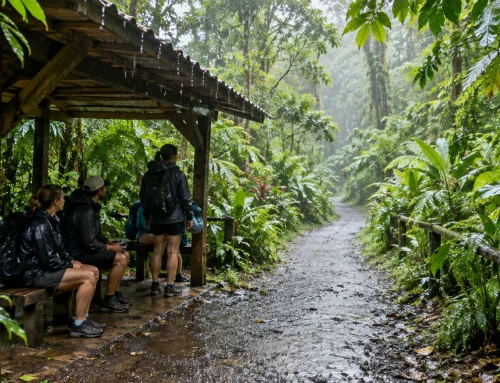
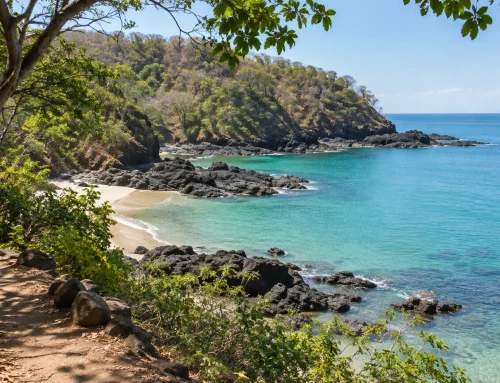
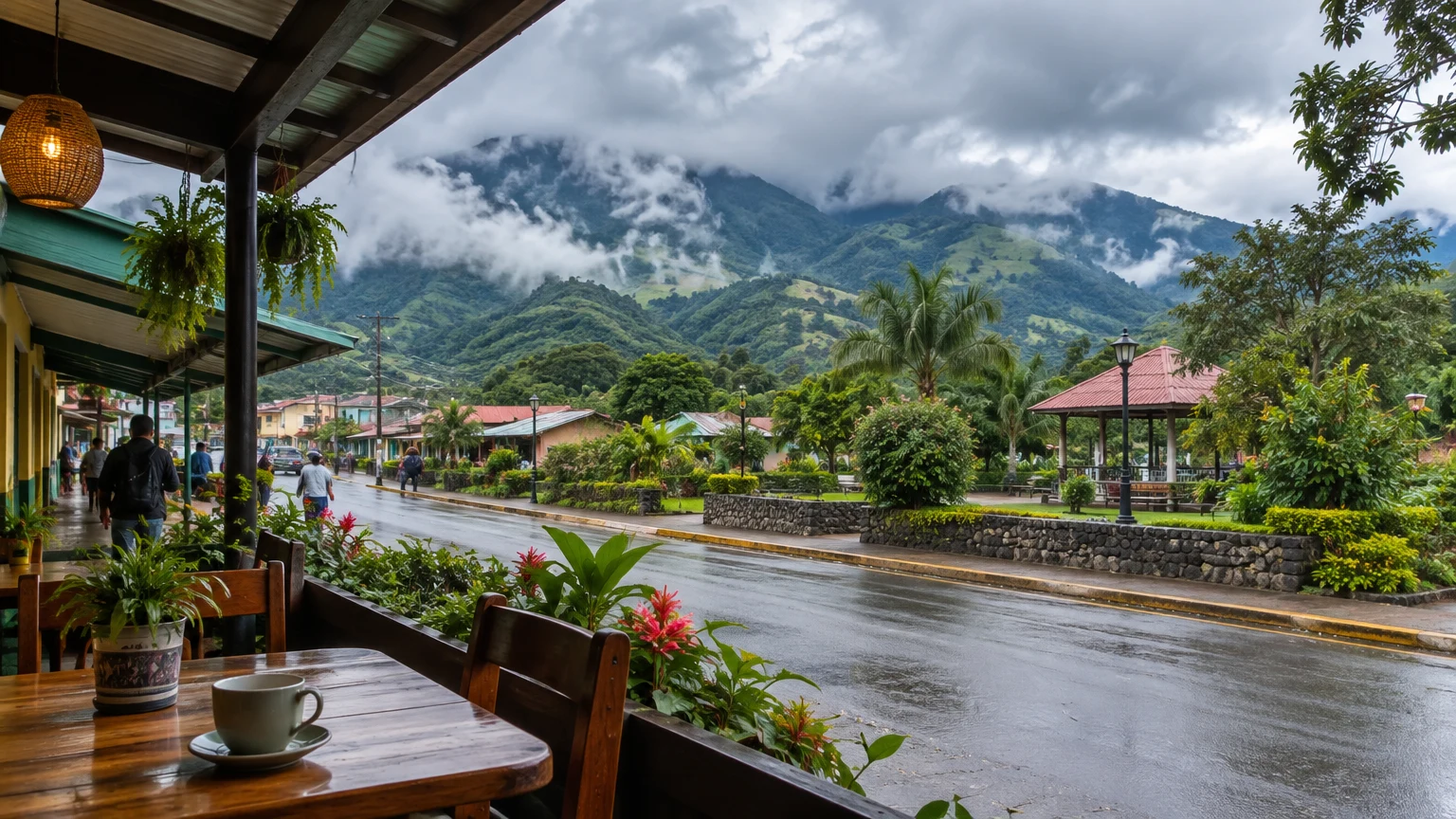
June normally falls within the Pacific wet season. Even so, it would be an exaggeration to describe all of Costa Rica as being under a continuous curtain of rain. For a family trip, choose two or three bases where several activities remain possible. A disrupted day can then be rearranged without changing subsequent hotel bookings.
June: rain does not rule out a trip
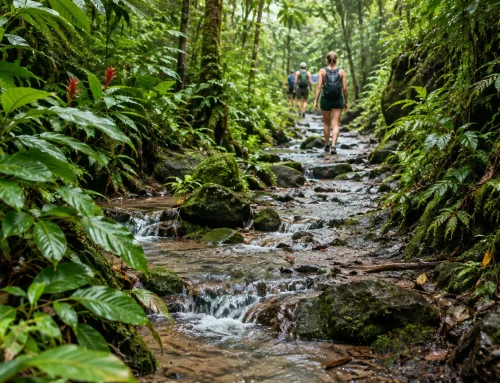
Mountain areas and coastlines have different weather patterns, and some activities are particularly appealing amid the lush scenery. The key is to adapt your plans to local conditions, not to claim you can predict the weather in every valley.
A different way to plan your days
For hikes and outdoor visits, prioritize the time slots recommended locally and keep enough flexibility. A storm can change trail conditions or interrupt a water activity. Always confirm conditions with the operator, especially for river outings and remote access routes. Make sure you understand ticket terms and rescheduling policies before paying.
The mistake of covering long distances
On a map, connecting Monteverde, Arenal and a beach looks simple. In June, secondary roads can be much slower depending on the rain. Keep several nights at each base and avoid combining a long transfer, a nonrefundable activity and a sunset at a fixed time on the same day. One unexpected event can bring all three dominoes down.
A realistic travel plan
Two regions chosen for how well they complement each other are worth more than five promises of photos. Plan a “nature + relaxation” trip, booking essential activities while leaving secondary discoveries open. In your travel notes, record cancellation terms and the exact access route to your accommodations: these details become particularly useful when it rains.
In practice: traveling through two regions in June
If traveling with children, ask before booking whether a river outing may be interrupted or replaced in the event of heavy rain. The operator should explain its safety rules and any possible refund. In your travel notes, clearly write “depends on the river level” so you do not link this activity to a long transfer that cannot be changed. Real backup plans are local, not at the other end of the country.
Transfers that deserve extra time
A day spent moving between two regions includes packing, picking up the vehicle or waiting for a shuttle, breaks and arrival at your accommodation. In June, add extra time for the weather. Do not book a park entry at a fixed time assuming ideal road speeds. This precaution is especially important in Monteverde and on mountain roads. The trip becomes more relaxing when the itinerary is designed to absorb a setback instead of falling apart at the first delay.
Limit changes of region in June
Long journeys become harder to accommodate when every night is spent in a different region.
| Decision | Why it helps |
|---|---|
| Stay several nights | Be able to reschedule an outing |
| Keep a contact for each accommodation | Clarify the final access route |
| Avoid an activity scheduled too soon after a drive | Avoid turning a delay into a rush |
| Choose a local alternative | Limit another unplanned transfer |
For a river outing, ask who decides whether to make an adjustment, when you will be informed and what financial arrangement applies. The operating conditions are what matter, not a general statement that the season is “good for adventure.” A provider who explains their limitations gives you more information to make your choice.
June: making the most of mornings
In June, rain is part of the picture across much of the Pacific slope, but it does not follow the same schedule or fall with the same intensity everywhere. For a trip, think in half-days: a hike or nature outing in the morning, an unhurried lunch and a more flexible activity afterward. Check local forecasts rather than a national weather icon.
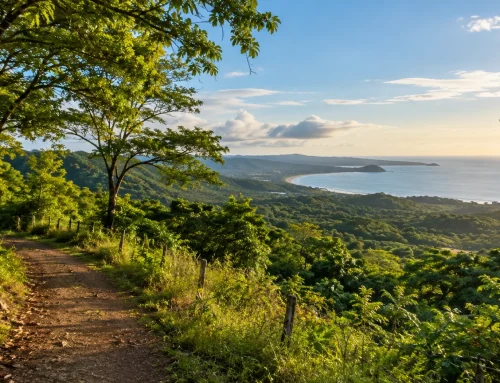
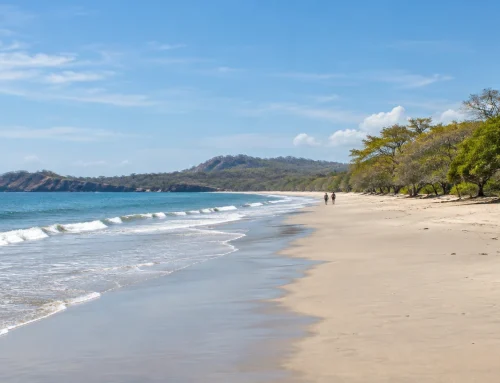
Higher-altitude regions can be damp and cool, sometimes misty. Bring rain protection and a bag to separate wet clothing. If you are going to Guanacaste, remember that secondary access routes may differ from those in the peak dry season; ask about conditions on the final stretch to your accommodation and your rental company’s restrictions.
For a ten-day trip, three widely separated bases already require careful planning. In June, it may be more enjoyable to keep two and make the most of the available days. A postponed visit is not a disaster if you have allowed extra time; it becomes a problem mainly when every day is already locked in. Flexibility, more than choosing a supposedly perfect date, is what improves the trip.
Frequently asked questions
 Numa Costa
The pen name under which I publish my articles and develop my editorial websites. Curious by nature, I enjoy understanding how things work, exploring everyday questions and making information easier to understand and use.
→ Learn more about the author