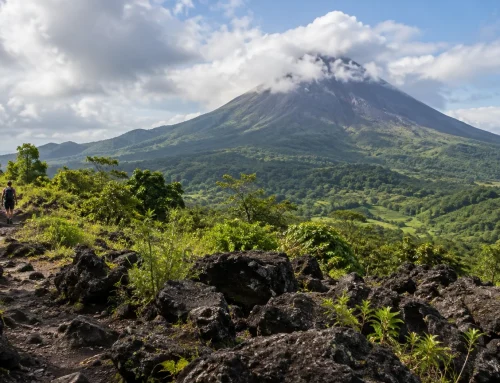



Hiking in Costa Rica: how to prepare for the tropical climate?
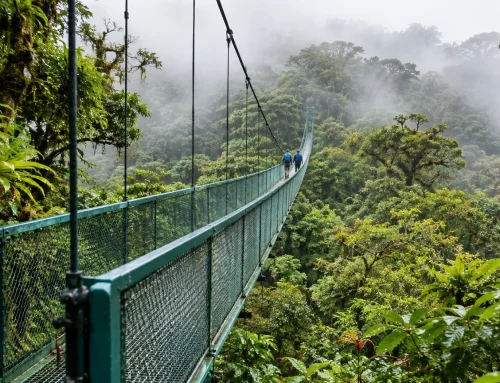
Costa Rica’s trails pass through very different climates: heat and sunshine near some beaches, humid air in the forest, cooler temperatures in Monteverde, and terrain that can be slippery after heavy rain. The stated distance therefore doesn’t tell the whole story.
Hiking in the tropics takes a little planning
A short but muddy trail can require more attention than a longer walk on a stable path.
Preparing your gear without setting off on an expedition
Shoes that fit securely, water, a compact rain garment, and sun protection are a good starting point. Then adjust what you pack to the terrain and the site management’s recommendations. Don’t assume there will be a place to stock up, phone service, or an opportunity to take a shortcut. For more challenging outings, a local guide may become essential, or even mandatory depending on the park.
Treat weather information as a safety matter
In the event of a thunderstorm, flooding, a closure, or a landslide, abandon the affected route. Do not cross a river whose level is rising. Estimated times found online are no substitute for checking access on the day itself. At some sites, the last entry is before the general closing time: check the official rule.
The best hike is suited to the group
With children, a slow pace and plenty of breaks can be more rewarding than aiming for a certain number of kilometers. In your notes, classify walks by perceived duration, difficulty, exposure, and starting point. You’ll avoid scheduling a demanding hike just after a long day on the road.
In practice: preparing for a tropical hike
For a walk in the forest, note the last entry time and the trail length, then allow extra time for the return. A route described as easy may take longer in humid heat or with children. If showers make the ground slippery, don’t try to “get your money’s worth from the ticket” at all costs: a shortened visit is better than an injury.
When should you abandon a hike?
If a trail is closed, if the river is overflowing, if a thunderstorm threatens an exposed route, or if the group is exhausted, deciding not to go is part of being prepared. Tropical hiking is not always like a walk in a temperate forest. Allow enough time to return and observe closing times. Good equipment does not eliminate the risk of flooding. Large parks may have several sectors: check that your ticket and directions are for the right starting point.
Assessing a hike with the return included
Before choosing, ask which route is actually open and about its characteristics. A short descent can turn into a demanding climb back up; a flat trail can still be tiring in the heat and humidity. Consider the effort required for the entire outing, including breaks, time spent observing, and the return journey.
| Information | Why ask about it |
|---|---|
| Surface and steps | Adjust footwear, balance, and effort |
| Elevation change and length | Assess the entire route |
| Turnaround points | Be able to shorten the walk without improvising |
| Water and facilities | Plan for the necessary self-sufficiency |
| Access limits | Observe the time limit and permitted sections |
For a first walk, choose a plan that gives the group some leeway. If someone wants to limit their exertion, look for a known alternative before setting off rather than counting on improvised help on the trail. A successful hike is one that everyone can enjoy and complete under suitable conditions.
Tropical hiking: plan the return journey as carefully as the way out
In a tropical forest, a walk that looks short on the map can become tiring because of humidity, heat, mud, or elevation change. Before setting off, look up the round-trip distance, the travel time stated by the site management, any potentially slippery sections, and access to the starting point. For a hike at altitude, bring a warm layer; in hot areas, remember water, shade, and breaks.
Choose shoes suited to the trails, protect your documents and phone from the rain, and tell someone your route if appropriate in the circumstances. Do not leave an authorized trail to reach a viewpoint you saw on social media. In the event of heavy rain, a closure, or an official warning, change your plans. Postponing a hike is less regrettable than ending up in a dangerous situation.
For families, try the “one main goal” rule: a loop that really allows you to see the scenery, followed by lunch and rest. Children often remember observing an insect or an unusual leaf more than covering a great many kilometers. Let the trails be an opportunity for discovery rather than a test of performance.
Frequently asked questions
 Numa Costa
The pen name under which I publish my articles and develop my editorial websites. Curious by nature, I enjoy understanding how things work, exploring everyday questions and making information easier to understand and use.
→ Learn more about the author