

Traveling to Costa Rica on a Small Budget: Where Can You Save?
To reduce the cost of a trip to Costa Rica, start by looking at how often you move around, the type of accommodation and your meals. Looking for the cheapest activities while adding more journeys and overnight stops often has the opposite effect.
Save by cutting out a journey
An itinerary with five places to stay in ten days can add up in fuel, transfers, baggage fees and lost time. Staying three or four nights in the same base lets you explore the surrounding area, compare outings and sometimes negotiate logistics more effectively. It is not necessarily any less spectacular: the country offers a wealth of experiences in every region.
A first trip limited to two regions may be a better financial choice than a quick tour of the country. Try removing one stop and recalculating the cost of the car, hotels and activities: the result may surprise you.
Accommodation: weighing services against independence
A small, conveniently located room near restaurants may be more economical than a remote bungalow if you do not have a car. Conversely, an apartment with a kitchen for several nights can save you money on meals. Always compare the total price, including cleaning and taxes.
Read the cancellation policies. A very low nonrefundable rate can be costly if a transfer or flight changes. A slightly more flexible option can offer financial protection, particularly when the budget is tight.
Eat local without setting a rigid rule
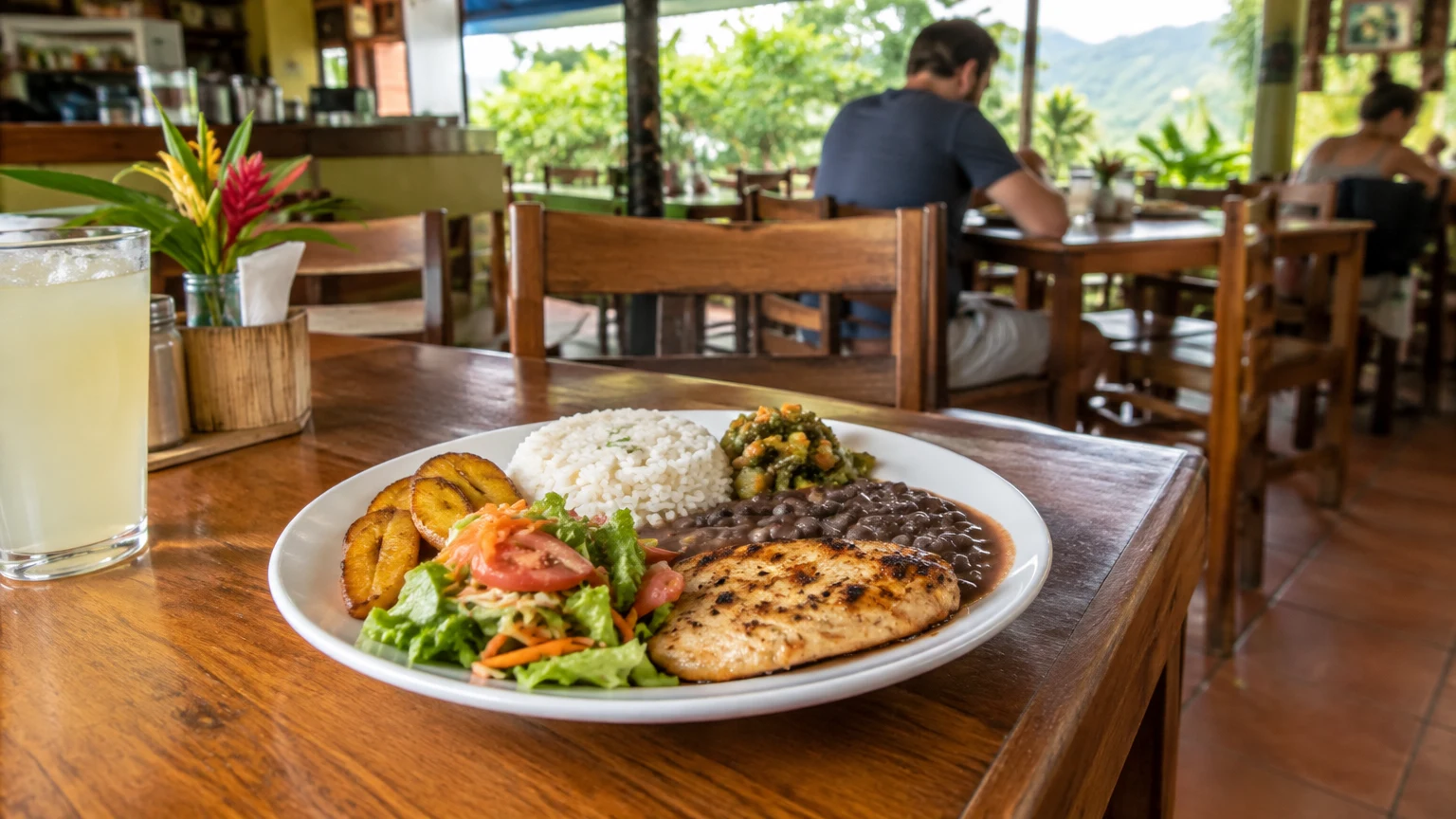
Sodas, local restaurants serving traditional dishes, can be an appealing option for eating simply. But prices vary by destination. Compare actual menus and alternate between restaurants, meals you prepare and reasonable picnics depending on the day.
Avoid buying too much food to carry between accommodations without a refrigerator. A lower expense on paper is not a saving if it ends up in the trash. Activities: prioritize the choices that matter Beaches and some walks can provide plenty of enjoyment without a large budget, subject to access and applicable rules. National parks and private excursions have their own prices. Prioritize booking what really matters to you, then leave some days more open.
Finally, do not choose a provider solely because it is the cheapest. For whitewater or high-altitude activities, safety, equipment, weather conditions and the guide’s qualifications should all be part of the comparison.
Look for savings that change your vacation the least
Start with the structure of your itinerary. Removing one stop can save you a transfer, a meal on the road and a less economical overnight stay. This saving may be greater than spending a long time searching to save a few euros on an excursion. However, you should keep what gives the trip its meaning: a saving that removes the main thing you wanted to do does not automatically make the stay better.
| Adjustment | Expense to compare | Effect on the trip |
|---|---|---|
| Two bases instead of three | Transfer and moving costs | More time in each area |
| Accommodation with a kitchen you use | Meals and groceries | More personal planning |
| Activity close to your base | Transportation and ticket | Less travel time |
| Shifted departure or return date | Flights and additional nights | Check time off |
Fictional example: eliminating a transfer costing 120 € and a transition night costing 40 € more frees up 160 €. This amount can fund an experience you really wanted. Always check cancellation fees and services already paid for before changing the itinerary.
Save without cutting out what makes the trip
A small budget does not mean you have to rush across the entire country. On the contrary, staying more nights in the same region can reduce transportation and last-minute purchases. Choose two well-connected bases rather than four distant destinations, then alternate between a paid activity that really matters to you and more open days.
For meals, discover sodas, these local eateries, and see whether your accommodation allows you to prepare a simple breakfast or dinner. Always compare displayed prices with any taxes and service charges that may be added before considering an option “budget-friendly.” Accommodation farther away may cost less per night but require a vehicle or additional journeys.
Before booking, set a limit for each category: transportation, accommodation, food, activities and unexpected expenses. If the budget is exceeded, first cut out costly changes of location, not necessarily the experience that made you want to come. The best memory of the trip may be a respectful walk in nature, a lively market or a conversation over a local dish, without having to buy an excursion for every half-day.
Frequently asked questions
 Numa Costa
The pen name under which I publish my articles and develop my editorial websites. Curious by nature, I enjoy understanding how things work, exploring everyday questions and making information easier to understand and use.
→ Learn more about the author