

Costa Rica in August: which itineraries should you choose?
In Costa Rica, August is about more than rain or sunshine. On the Pacific side, some regions may experience the relative lull of the veranillo; on the Caribbean side, the weather pattern is different. An August itinerary can combine nature and the coast if travel between stops remains manageable.
August: start by choosing an atmosphere
Building your trip around a national average obscures what makes the country so interesting: its contrasting climates within a few hours’ drive of one another.
Three possible itineraries
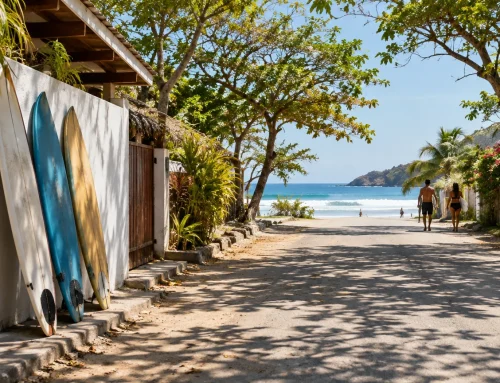
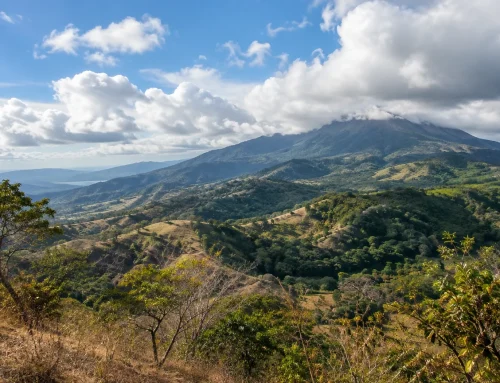
The first focuses on Guanacaste and La Fortuna, alternating between the ocean and a volcano. The second allows more time for Monteverde, its trails and forest. The third heads to the South Pacific and the Uvita region, provided you are willing to accept more humidity. The second half of the year is a favorable period for watching humpback whales on the Pacific coast; no outing guarantees a sighting.
Avoid false time savings
Crossing the entire country to add a beach to a twelve-day trip is not necessarily wise. Calculate the number of nights and the days you will actually have available. For boat trips, book with operators who explain their safety rules and guidelines for approaching wildlife. Sea conditions take precedence over the planned schedule.
The right amount of flexibility
Plan just one major excursion per day and allow a second possible time slot for the activities most dependent on the weather. When you return, you will remember a leisurely hike more than the three attractions you rushed through without really seeing them.
In practice: planning an August itinerary
For a traveler hoping to see whales in August, Uvita may be a good base to consider. Rather than setting aside a single time slot on the day before your return, stay for several nights and look for an operator who can explain the rescheduling conditions. Plan an activity on land as well. Favorable months do not eliminate waves, cancellations or the uncertainty of wildlife sightings. Do not confuse two sides of the Pacific Guanacaste and the South Pacific share an ocean, but not the same climate or logistics. You can seek out the sun and beaches of the north or opt for Uvita’s rainforest and a boat trip. Combining the two in a trip that is too short can mean spending a considerable amount of time traveling. One way to choose is to identify your number one experience: surfing, nature, whales or relaxation. Then book a suitable base rather than following an itinerary dictated by a list of must-sees.
Give each August base a clear purpose
Give each base a purpose: cloud forest, marine wildlife watching or a few car-free days close to services. If two stops fulfill exactly the same wish, see whether you can extend one instead of adding another hotel.
| Priority | Planning considerations to compare |
|---|---|
| Whales | Several nights near the chosen departure point, outing subject to conditions |
| Forest | Suitable observation time and equipment |
| Beach | Accommodations you will enjoy even without swimming every day |
| Family travel | Flexible activities and limited transfers |
If a boat trip is important to you, do not schedule it only for the day before your return. Ask about rescheduling rules, duration and passenger arrangements. The guide “Where to See Whales in Costa Rica?” explains the areas and seasons; here, the aim is to make realistic room for this experience in your vacation.
August: planning a family trip that can withstand the rain
August is often a time for family travel, with wishes that sometimes conflict: seeing animals, exploring the forest, swimming and not spending the entire vacation in a car. The answer is to choose bases that offer several experiences nearby, rather than piling on the miles.
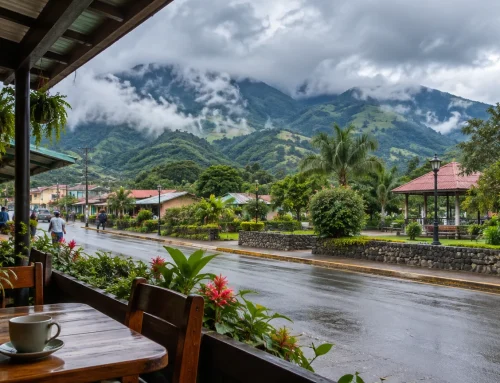
On the Pacific side, the veranillo can ease the rains in some areas, without guaranteeing the same result every year. Inland, conditions may be different: check the trails, access and required equipment. On the Caribbean coast, rainy periods follow their own pattern and must be considered separately.
For twelve to fifteen days, book one major activity at each main stop, then keep an option open. A day that starts with a lovely walk can easily end with some rest at the hotel if the afternoon turns wet. With children, this is not a concession: it is a way to preserve the whole group’s enthusiasm. Let the itinerary adapt to the country, not the other way around.
Frequently asked questions
 Numa Costa
The pen name under which I publish my articles and develop my editorial websites. Curious by nature, I enjoy understanding how things work, exploring everyday questions and making information easier to understand and use.
→ Learn more about the author