

Spotting sloths in Costa Rica: where and how?
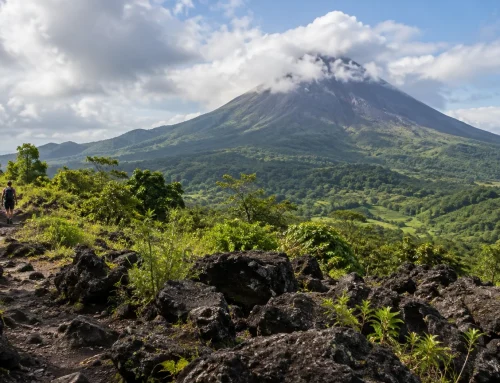
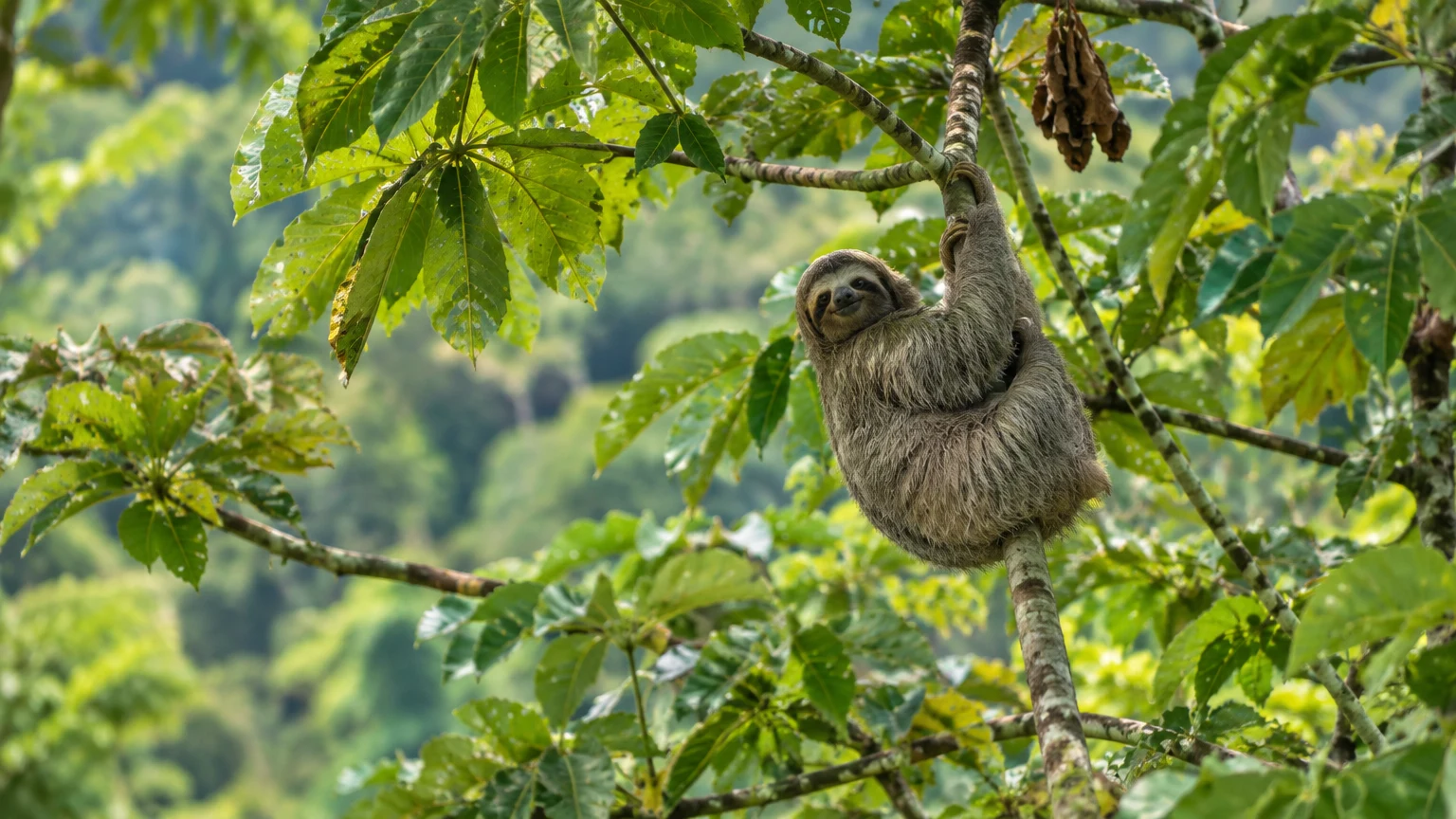
Sloths live in trees and can go unnoticed even when they are relatively close. Forested areas on the Caribbean coast, around Arenal and in Manuel Antonio are possible options, but sightings depend on the habitat, the time of day and luck.
Spotting a sloth: look for a habitat, not a promise An excursion advertised as offering a “guaranteed sloth sighting” should put you on alert: wildlife is not a show that runs to a precise schedule.
The advantage of a naturalist guide
An experienced guide sometimes spots details that a hurried visitor would miss: movement in a branch, a shape above a leaf, an animal motionless amid the foliage. Ask whether they use a spotting scope and keep their distance. A good guide points animals out without chasing, attracting or moving them. Feeding them to get a photo is not acceptable.
How to take photos without disturbing wildlife
Observe animals without touching or attracting them. An observation without a photograph can also make a wonderful memory: follow the site rules and the guide’s instructions., take photos without flash, use the zoom and stay on authorized trails, and do not leave the authorized trails. Be patient: sometimes you come away with a wonderful memory of the forest and no perfect picture. That’s normal. A walk can also reveal toucans, frogs, insects or remarkable plants that you might have missed by looking up only for one species.
Choosing the right location
Instead of stacking up three “sloth tours,” choose one quality activity along a route you have already planned. In your notebook, note the amount of walking and the starting point. This will help you combine it with another visit without adding unnecessary transfers.
In practice: a nature walk without a promise of a sighting
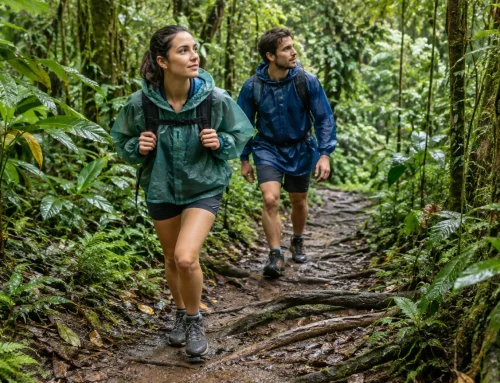
When a guide points out a sloth high in the canopy, it is better to take the time to observe it through a spotting scope than to try to get a photo with your phone. If the animal does not appear, continue the walk: the guide can explain the interactions between vegetation, birds and insects. The value of a nature outing is not measured by the number of species checked off a list.
For more on this advice, the Itineraries guide offers additional guidance.
A question to ask before a “sloth-focused” walk
Ask the guide how the outing unfolds if no sloths are visible. A good answer should mention the forest, the species you might see and respect for wildlife, not suggest forcing an encounter. Consider the walking time and the number of participants. A nature walk can be fascinating for a curious child, but more difficult for a group in a hurry. Choose it because the experience interests you, not to check off a photograph that has become obligatory.
Choosing an outing that respects the animal’s place
Ask how a walk unfolds when no sloths are visible. A guide who talks about the environment, other species and observation time is describing a genuine nature outing. A promise centered on proximity or handling calls for a different kind of vigilance. The point is not to come away with the same image as the advertisement.
| Question for the provider | What it helps you understand |
|---|---|
| What is the group size? | Observation time and organization |
| What equipment is provided? | Whether you can observe without getting close |
| What happens if the animal stays hidden? | The value of the walk beyond a sighting |
| What are the rules for photos? | Respect for the rules and wildlife |
With a child, present the outing as a careful search: shapes, branches, leaves and movements. There can be plenty to discover without spotting a sloth immediately. This expectation gives the guide room to explain rather than trying to deliver a guaranteed result.
Spotting a sloth: learning to look more slowly
Sloths do not appear at a set time. A successful observation begins with a suitable environment and a respectful guide or method, rather than a promise of a “guaranteed photo.” In forested areas around La Fortuna or in some parts of the Caribbean coast, nature excursions can help you spot animals, but the presence of a species varies and cannot be inferred from the name of the destination.
Choose an operator who explains observation distances, does not attract animals with food and offers neither handling nor forced contact. A photograph taken from a distance or with binoculars is better than getting close enough to disturb the animal. In the tropical forest, looking up is not always enough: you also need to learn to spot slow movements and silhouettes in the vegetation.
Keep expectations reasonable, especially with children. Present the outing as a chance to discover the ecosystem: birds, insects and vegetation will be part of the experience even if no sloth appears. Wildlife does not sign a contract with our vacation schedule, and that is precisely what makes every sighting authentic.
Read also: nature activities.
Frequently asked questions
 Numa Costa
The pen name under which I publish my articles and develop my editorial websites. Curious by nature, I enjoy understanding how things work, exploring everyday questions and making information easier to understand and use.
→ Learn more about the author